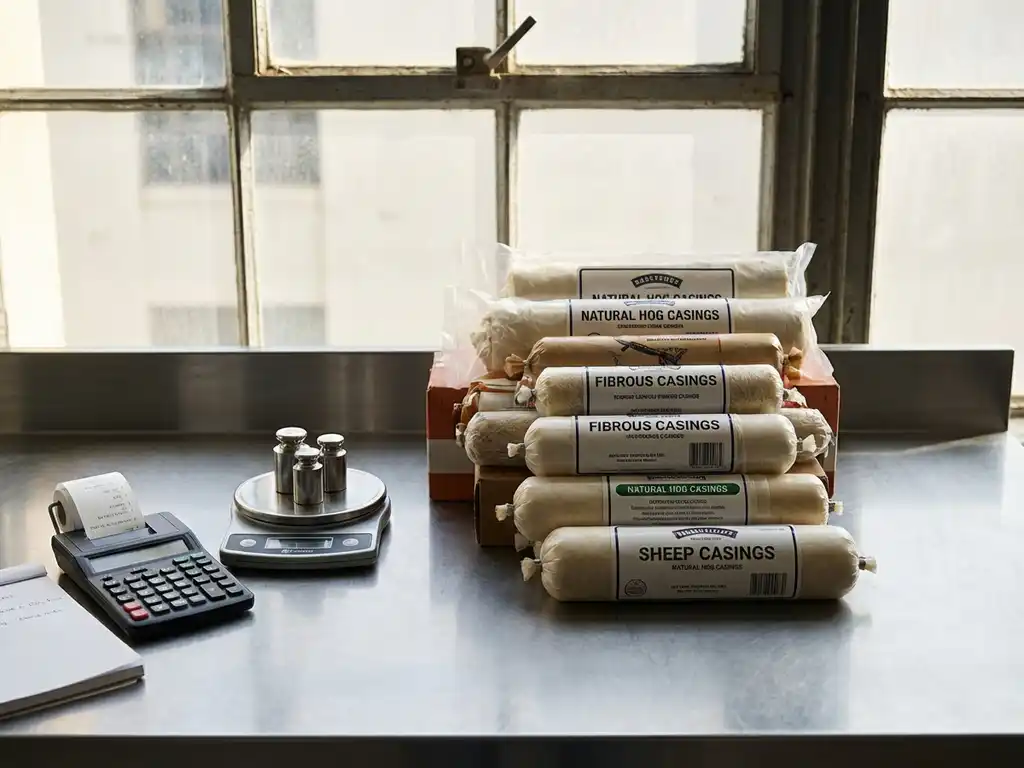
Switching casing suppliers in food manufacturing can involve various hidden costs that are crucial to consider. These include logistical changes, retraining staff, and potential quality control challenges. Understanding these costs is vital for manufacturers aiming for cost reduction in the food industry, helping them make informed decisions and maintain production efficiency. Additionally, evaluating the effects on production timelines and equipment compatibility helps ensure a smoother transition. This article explores these aspects and how Vaess can assist with alginate casing solutions.
What hidden costs can arise from switching casing suppliers?
Switching casing suppliers may lead to several hidden costs. Logistical changes could require adjustments in supply chain management, potentially leading to increased transportation expenses. Retraining staff to work with new materials or equipment is another potential cost, as it requires time and resources. Quality control challenges might arise if new casings don’t meet existing standards, which could affect product consistency and lead to additional testing.
To mitigate these costs and achieve cost reduction, it’s essential to conduct thorough evaluations of new suppliers. Ensure they provide detailed specifications and quality assurances. Considering these factors can help maintain production efficiency and product integrity.
How does switching casing suppliers affect production efficiency?
Changing suppliers can significantly affect production efficiency. New casings might require equipment adjustments or modifications, affecting timelines and workflow. Compatibility issues between existing machinery and new casings can cause delays. It’s crucial to assess whether your current equipment can seamlessly integrate with the new supplier’s products to avoid disruptions.
Conducting compatibility tests before fully transitioning to a new supplier helps identify potential bottlenecks. Additionally, maintaining open communication with the supplier can help ensure timely delivery and support during the transition period.
Why is quality assurance critical when changing casing suppliers?
Quality assurance is vital when changing casing suppliers to maintain product consistency and compliance with industry standards. Casings influence the texture, appearance, and taste of the final product, making it essential that new suppliers meet stringent quality criteria. Any deviation can lead to product recalls or compliance issues, affecting brand reputation.
Implementing rigorous quality checks and audits can help ensure new casings meet your quality standards. This proactive approach can prevent costly errors and maintain customer trust, aligning with the theme of cost reduction in the industry.
What are the risks of not evaluating casing suppliers thoroughly?
Failing to thoroughly evaluate casing suppliers can lead to significant risks, such as supply chain disruptions, increased downtime, and financial losses. Inadequate supplier assessment might result in unreliable delivery schedules, causing production halts. Moreover, unforeseen quality issues might require additional testing and adjustments, increasing operational costs.
To avoid these risks, it’s vital to conduct comprehensive supplier evaluations, including reviewing their track record, production capabilities, and quality assurance processes. This assessment can help safeguard your operations against potential disruptions.
How does Vaess help with alginate casing solutions?
Vaess provides expertise and reliable alginate casing solutions to ease transitions for manufacturers. Our alginate casings are engineered to seamlessly replace traditional casings without compromising quality, embodying our commitment to “food for tomorrow”.
- 100% plant-based, suitable for various applications such as meat, plant-based, halal, and kosher products.
- Compatible with high-speed, continuous co-extrusion lines, enhancing production efficiency.
- Backed by Vaess Agersol’s world-class alginate gel production facility, ensuring consistent supply and quality.
For those considering a switch, Vaess’s solutions offer practical benefits that reduce costs and enhance product quality. Contact us to learn more about how we can support your transition and contribute to cost reduction in the food industry.
Gerelateerde artikelen
- What financial stability indicators should food manufacturers assess when qualifying an alginate casing supplier?
- What are the main challenges in producing algae-based protein at a large scale?
- How do you optimize alginate bath concentration for consistent casing formation at speed?
- What regulatory changes in the EU are affecting sausage casing material selection?
- How does alginate sourcing align with EU Green Deal supply chain expectations?