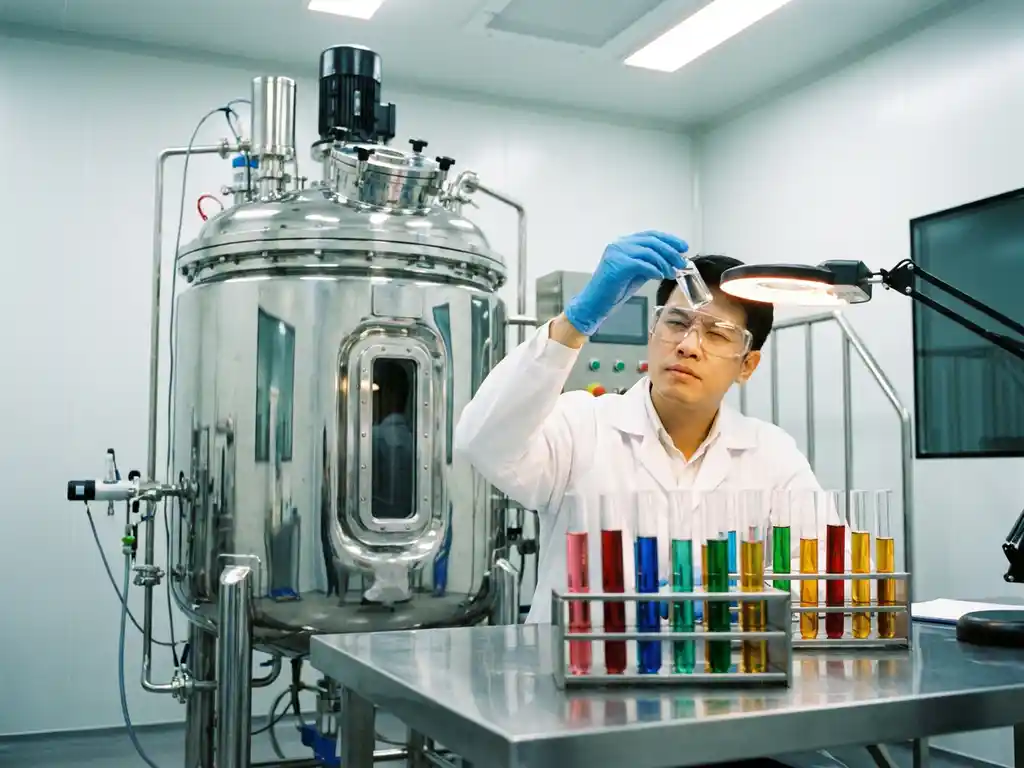
Precision fermentation is used to create proteins without animals by harnessing microorganisms such as bacteria, yeast, or fungi to produce protein molecules. These microorganisms are genetically engineered to express the desired protein, which is then harvested for use in food products. This technology allows for the production of alternative proteins that are sustainable and scalable, addressing the growing demand for animal-free protein sources. In this article, we will explore the nuances of precision fermentation, how it differs from traditional methods, its applications in food engineering, and how Vaess supports this innovative approach. Learn more about the industries we serve at Vaess Industries.
What is precision fermentation and how does it work?
Precision fermentation is a process in which microorganisms are engineered to produce specific proteins, using fermentation similar to brewing beer or making yogurt. These microorganisms are programmed to synthesize proteins identical to those found in animal products. Through fermentation, these microbes grow and multiply, producing the desired protein, which is then extracted and purified for use. This method is not only efficient but also environmentally friendly, as it avoids the resource-intensive requirements of traditional animal farming.
At its core, precision fermentation leverages the natural ability of microorganisms to transform simple sugars into complex compounds. By altering their genetic makeup, scientists can direct these microorganisms to produce specific proteins, enzymes, or even flavor compounds. This process is scalable and can be tailored to produce a wide variety of proteins needed in the food industry. Discover more about our essence and how we innovate at Vaess Essence.
How is precision fermentation different from traditional fermentation?
Precision fermentation differs from traditional fermentation in its targeted approach to producing specific proteins. While traditional fermentation uses microbes to produce general compounds like alcohol or yogurt, precision fermentation specifically engineers microbes to create precise protein molecules. This specificity allows for the creation of proteins that can directly replace those found in animal products, contributing to the growth of the alternative protein market.
Traditional fermentation relies on natural processes without genetic modification, leading to a broad range of by-products. In contrast, precision fermentation uses genetic engineering to target the production of one or more specific proteins, minimizing waste and enhancing efficiency. This precision is key to developing high-quality alternative proteins that meet specific dietary and functional requirements in the food industry.
Why choose precision fermentation for protein production?
Choosing precision fermentation for protein production offers several advantages, including sustainability, efficiency, and the ability to meet diverse dietary needs. This method reduces reliance on animal agriculture, significantly decreasing greenhouse gas emissions and water usage. Precision fermentation also enables the production of proteins that are free from allergens and other contaminants associated with traditional animal farming.
Additionally, the scalability of precision fermentation allows for rapid adaptation to market demands, supporting the growth of the alternative protein market. As consumer interest in plant-based and animal-free products rises, precision fermentation provides a reliable method to produce high-quality proteins that meet these evolving preferences.
What are the applications of precision fermentation in food engineering?
Precision fermentation has wide-ranging applications in food engineering, particularly in the development of alternative proteins, flavorings, and functional ingredients. It is used to create animal-free dairy proteins, meat substitutes, and other functional proteins that enhance the nutritional profile of food products. This technology is instrumental in producing products that cater to vegan, vegetarian, and flexitarian diets.
In addition to proteins, precision fermentation can produce enzymes that improve food processing and preservation. It also aids in developing clean-label solutions that meet consumer demand for transparency and sustainability in food production. The versatility of precision fermentation makes it a cornerstone of modern food innovation, driving advancements in how we produce and consume food.
How Vaess helps with precision fermentation?
At Vaess, we support precision fermentation by providing expertise and technology to enhance food innovation. Our efforts include:
- Offering functional ingredients that complement fermentation processes.
- Collaborating with partners to develop scalable, commercially viable protein solutions.
- Integrating hybrid food solutions that combine plant-based and traditional proteins to meet diverse consumer needs.
By leveraging our extensive industry experience and technological capabilities, we help clients navigate the complexities of precision fermentation to achieve their product development goals. To explore how we can assist with your precision fermentation projects, contact us today. Reach out through Vaess Contact.
Gerelateerde artikelen
- Why are major food corporations pouring billions into alternative protein research and development?
- What certifications and audit requirements should alginate casing suppliers meet for EU market access?
- Will AI replace food technology?
- What is the future of food technology?
- How do retailer private label requirements influence casing material decisions?