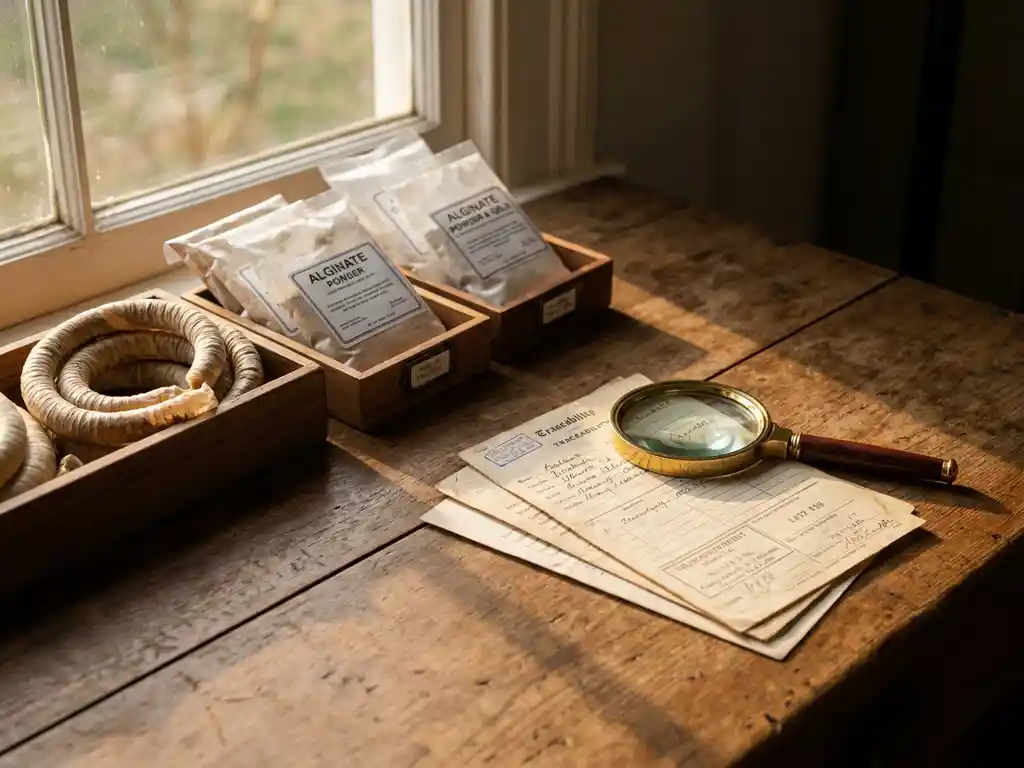
Traceability documentation for natural casings involves detailed records that ensure the origin, processing, and distribution of the casings are transparent and verifiable. This documentation is crucial for food safety, regulatory compliance, and maintaining consumer trust. Suppliers capable of providing comprehensive traceability documentation, like alginate suppliers, can streamline the process by offering consistent, detailed records that are often more robust than those for natural casings.
What is traceability documentation for natural casings?
Traceability documentation for natural casings refers to records that track the entire journey of the casings from their source to the final consumer. This includes details on the origin of the material, processing methods, and distribution channels. Such documentation is vital for ensuring food safety, meeting regulatory standards, and enabling quick responses to any food safety incidents.
Traceability documentation typically includes:
- Origin and source details of the natural casings
- Processing and handling records
- Storage and transportation logs
- Compliance with health and safety standards
- Batch numbers and production dates
By maintaining thorough traceability documentation, businesses can enhance their quality control measures and ensure compliance with industry regulations.
How do alginate suppliers provide traceability documentation?
Alginate suppliers provide traceability documentation by leveraging advanced tracking systems that ensure all production stages are meticulously documented. These suppliers often offer more rigorous documentation compared to natural casing providers, thanks to their structured production processes and advanced technology.
Key aspects of how alginate suppliers manage traceability include:
- Utilizing digital tracking systems for real-time data updates
- Ensuring all batches are tagged with unique identifiers
- Maintaining comprehensive digital logs accessible for audits
- Complying with international food safety standards
Alginate suppliers like Vaess enhance traceability by providing consistent and transparent documentation, which helps minimize risks and ensure product integrity across the supply chain.
How can Vaess help with providing traceability documentation?
Vaess helps with providing traceability documentation by offering streamlined, efficient solutions tailored to meet stringent regulatory requirements. Our services ensure clients receive comprehensive records that enhance transparency and compliance.
Vaess’s traceability solutions include:
- Advanced digital systems for tracking and recording all production stages
- Customized documentation solutions for diverse product lines
- Support for audits with easily accessible documentation
- Guidance on regulatory compliance and best practices
For companies looking to improve their traceability capabilities, Vaess provides the technology and expertise needed to ensure robust documentation. Contact us today to learn more about our traceability solutions and how we can support your business needs.
Veelgestelde vragen
What are the benefits of traceability documentation for consumers?
Traceability documentation provides consumers with confidence in the safety and quality of the food products they purchase. It ensures that any issues can be quickly addressed and resolved, thereby maintaining consumer trust.
How can businesses ensure their traceability documentation is up to industry standards?
Businesses can ensure their traceability documentation meets industry standards by regularly auditing their processes, staying updated with regulatory changes, and implementing advanced tracking technologies that provide detailed and accurate records.
What challenges might businesses face in maintaining traceability documentation for natural casings?
Challenges can include the complexity of tracking multiple sources, ensuring accuracy in manual records, and the need for consistent updates across the supply chain to reflect any changes in processing or distribution.
How does digital traceability differ from traditional methods?
Digital traceability offers real-time tracking, automated data collection, and easier access to information compared to traditional paper-based methods. This makes it more efficient and less prone to errors.
Why is compliance with international food safety standards important for traceability?
Compliance with international food safety standards ensures that products can be safely exported and meet the expectations of global markets. It also helps in maintaining a high level of food safety and quality across borders.
Can small businesses afford to implement advanced traceability systems?
Yes, many advanced traceability systems are scalable and can be adapted to fit the needs and budgets of small businesses. Investing in such systems can provide significant long-term benefits in terms of compliance, efficiency, and consumer trust.
What role does technology play in enhancing traceability documentation?
Technology plays a crucial role by providing tools for real-time tracking, data analysis, and automated reporting. This not only enhances accuracy but also simplifies the audit process and ensures compliance with regulatory standards.
Gerelateerde artikelen
- What service level agreements are standard when contracting with an alginate casing supplier?
- What logistics and cold chain requirements should alginate casing suppliers guarantee in their contracts?
- Which alternative proteins currently available in supermarkets offer the best nutritional value for everyday consumers?
- How do you assess the consistency of alginate casing performance across production batches?
- How does alginate co-extrusion affect line downtime compared to traditional casing systems?