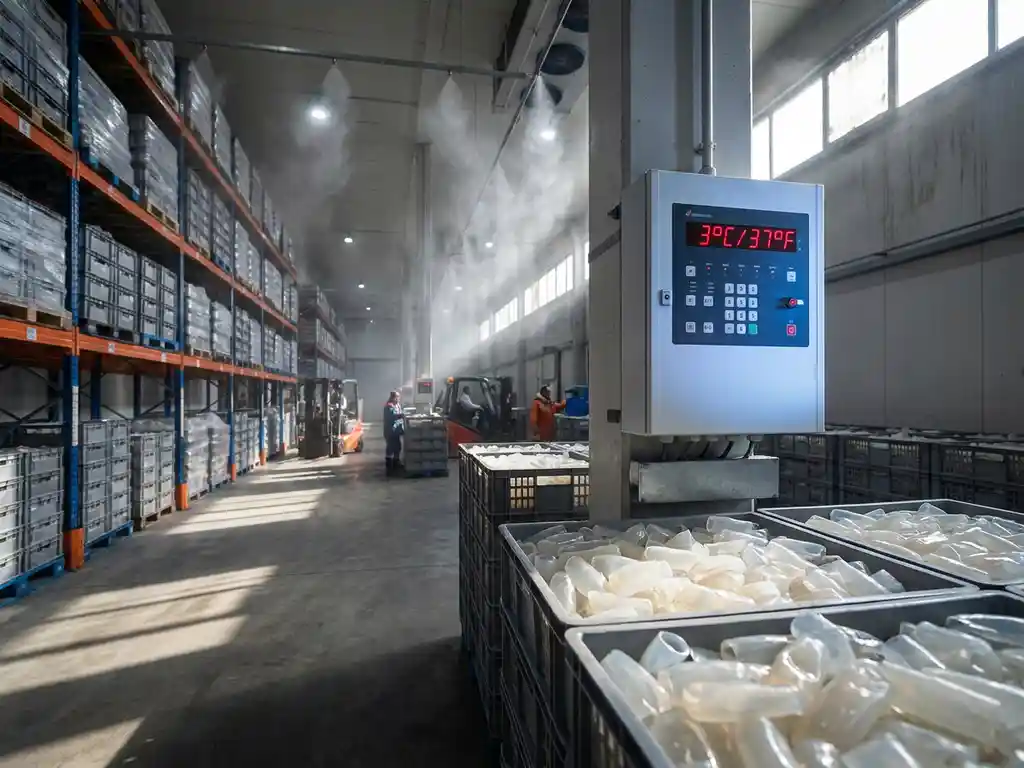
When sourcing alginate casings, suppliers should guarantee efficient logistics and robust cold chain management in their contracts. These requirements ensure that the casings maintain optimal quality and performance throughout the supply chain process. For food manufacturers, especially those in sausage production, this assurance is crucial for maintaining product integrity and meeting consumer expectations. This article explores the logistics and cold chain requirements for alginate casings, what suppliers should promise in their contracts, and how we support these needs.
What are alginate casing logistics requirements?
Alginate casing logistics requirements focus on timely delivery and safe transportation to maintain product quality. This involves using specialized packaging to protect the casings from environmental factors such as moisture and temperature fluctuations. Efficient logistics also mean that casings are delivered on time to avoid production delays. Reliable logistics are essential to ensure that the alginate casings arrive in perfect condition for immediate use in production.
Logistics also encompass coordination between suppliers, distributors, and manufacturers to streamline operations. This coordination reduces costs and increases efficiency, making it a vital aspect of supply chain management for food engineering companies.
How do cold chain requirements affect alginate casings?
Cold chain requirements are critical for preserving the quality and functionality of alginate casings. These seaweed-based casings must be kept at controlled temperatures to prevent degradation and maintain their structural integrity. The cold chain ensures that the casings remain fresh and ready to use, which is especially important for maintaining the desired quality in high-speed production lines.
Maintaining a consistent cold chain from production through to delivery minimizes the risk of spoilage and ensures that the casings perform as intended in sausage production. This requirement is non-negotiable for food manufacturers who need reliable materials to produce high-quality products.
What should suppliers guarantee in alginate casing contracts?
Suppliers should guarantee several key elements in their alginate casing contracts to assure quality and reliability. First and foremost, they must commit to maintaining a robust cold chain throughout the supply chain. Additionally, contracts should include specific delivery timelines, packaging standards, and quality control measures to ensure that the casings meet stringent industry standards.
Contracts should also stipulate the resolution process for any supply chain issues, such as delays or quality discrepancies. Assurance of support services, such as technical assistance and customer service, further enhances the reliability of the supplier.
How Vaess helps with logistics and cold chain requirements
At Vaess, we prioritize meeting logistics and cold chain requirements to ensure the highest quality alginate casings for our customers. Our approach includes:
- Utilizing advanced packaging solutions to protect casings during transit
- Maintaining a stringent cold chain protocol from production to delivery
- Coordinating closely with partners for timely and efficient delivery
- Offering technical support and responsive customer service to address any issues promptly
By ensuring these standards, we support food manufacturers in maintaining their production efficiency and product quality. For more detailed information on our alginate casing solutions, visit our website and discover how we can enhance your production processes.
Veelgestelde vragen
What are the main benefits of using alginate casings in sausage production?
Alginate casings offer several benefits, including being vegetarian-friendly, providing consistent quality, and allowing for high-speed production. They are also customizable in terms of size and thickness, which can lead to a more uniform product.
How can I ensure the quality of alginate casings upon delivery?
To ensure quality, perform a visual inspection for any signs of damage or exposure to moisture. Check that the casings have been kept within the recommended temperature range, and verify that the packaging is intact and unopened.
What should be done if alginate casings arrive damaged or compromised?
If you receive damaged or compromised casings, contact your supplier immediately to report the issue. Most suppliers have a resolution process in place, which may include replacement of the damaged goods or a refund.
Are there specific storage conditions required for alginate casings after delivery?
Yes, alginate casings should be stored in a cool, dry place away from direct sunlight and moisture. It’s important to maintain the recommended temperature to preserve their quality and usability over time.
How does Vaess ensure the sustainability of its alginate casing production?
Vaess is committed to sustainability by sourcing seaweed responsibly and minimizing environmental impact through efficient production processes. They also focus on reducing waste and optimizing logistics to lessen their carbon footprint.
What are the common challenges in maintaining a cold chain for alginate casings?
Common challenges include temperature fluctuations during transit, inadequate packaging that fails to insulate the casings, and delays in transportation that could compromise the cold chain integrity.
Can alginate casings be used for other food products besides sausages?
Yes, alginate casings can be used for other food products such as vegetarian sausages, vegan hams, and even certain types of seafood products. Their versatility makes them suitable for various applications in food manufacturing.
Gerelateerde artikelen
- What internal stakeholder alignment is needed before a sausage producer switches from natural to alginate casings?
- What lead time differences should production planners account for when sourcing alginate versus natural casings?
- How is precision fermentation used to create proteins without the use of animals?
- How is machine learning transforming quality control and predictive formulation in modern food manufacturing?
- What are the innovation of food technology?