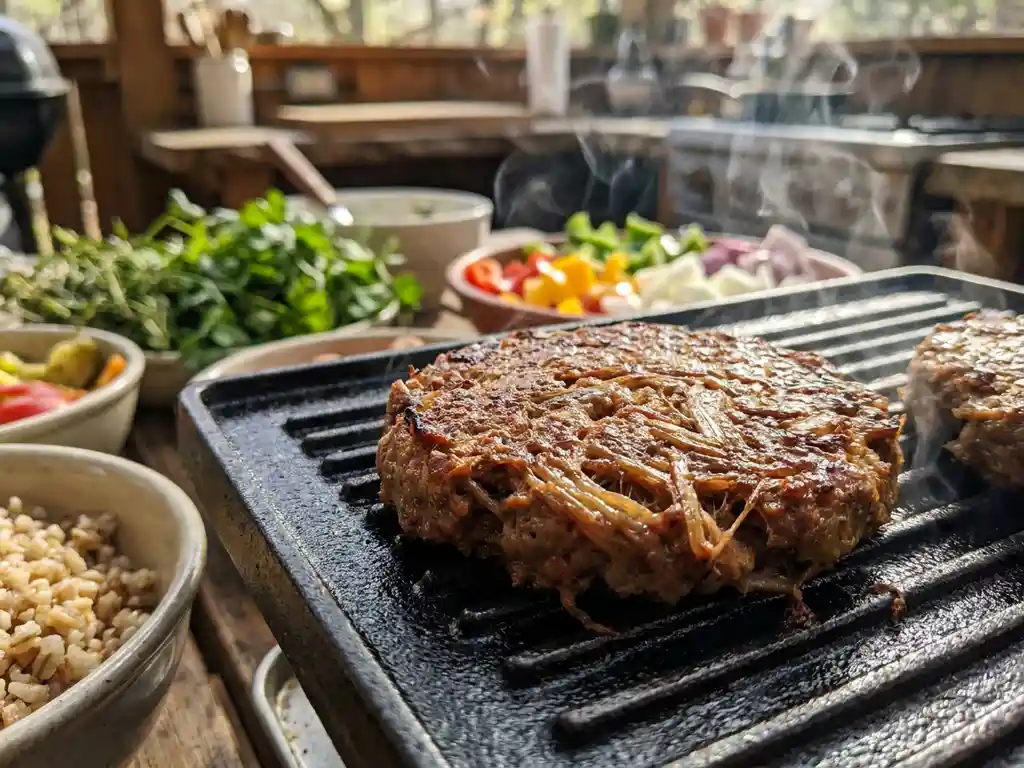
The extrusion process is a method used in food engineering to transform raw materials into a finished product with specific shapes and textures by forcing them through a defined opening. This process involves heating, mixing, and shearing ingredients to create products with consistent quality and structure. In the context of alternative proteins, extrusion is essential for replicating the fibrous, meat-like texture that consumers expect from plant-based alternatives. This approach not only enhances the sensory attributes of plant-based proteins but also allows for scalability and cost-effectiveness in production. In the following sections, we will explore how extrusion contributes to the growth of the alternative protein market and the benefits it brings to plant-based protein production. For more insights, visit our industries page.
What is the extrusion process?
The extrusion process is a manufacturing technique in which raw materials are converted into a specific shape and texture by being pushed through a die under controlled temperature and pressure conditions. This process is essential in food engineering for creating products with uniform quality and texture.
Extrusion begins with blending raw ingredients, which are then fed into an extruder. Inside the extruder, the mixture is subjected to heat and mechanical shear, transforming it into a semi-solid mass. As it passes through the die, the material takes on the desired shape and is cut to the required length. This method is widely used in producing snacks, cereals, and especially in the alternative protein market to create plant-based products that mimic the texture of meat.
How does extrusion give alternative proteins a meat-like texture?
Extrusion gives alternative proteins a meat-like texture by aligning plant-based protein fibers to mimic the fibrous structure of animal meat. This alignment is achieved through the controlled application of heat, pressure, and shear during the extrusion process.
When plant proteins undergo extrusion, their molecular structure changes, allowing them to form new bonds and structures that replicate the chewiness and mouthfeel of meat. The process can be fine-tuned to adjust the texture, making it possible to produce a range of textures from tender to firm. This capability is crucial in meeting consumer expectations for plant-based products that closely resemble traditional meat in both taste and texture.
What are the benefits of using extrusion for plant-based proteins?
Using extrusion for plant-based proteins offers several benefits, including improved texture, enhanced scalability, and cost-effectiveness. These advantages are crucial for the growing alternative protein market.
- Improved Texture: Extrusion creates a fibrous structure that mimics the texture of meat, making plant-based proteins more appealing to consumers.
- Scalability: The process is highly scalable, allowing manufacturers to produce large quantities efficiently.
- Cost-Effectiveness: By utilizing readily available plant materials, extrusion reduces production costs compared to traditional meat processing.
- Versatility: Extrusion can produce a variety of products, from snacks to full meals, catering to diverse consumer preferences.
These benefits make extrusion a vital technology in producing high-quality plant-based proteins that appeal to a wide market audience. Discover more about our approach at Our Essence.
How does Vaess help with optimizing the extrusion process for better textures?
At Vaess, we help optimize the extrusion process for better textures through our innovative approaches in food engineering. By leveraging our expertise and resources, we offer tailored solutions that enhance the quality and efficiency of plant-based protein production.
- Advanced Technology: We utilize cutting-edge extrusion technology to improve texture consistency and quality.
- Customized Solutions: Our team works closely with clients to develop customized formulations that meet specific texture and taste requirements.
- Research and Development: Continuous R&D efforts ensure that we stay ahead of industry trends and innovations.
For companies looking to excel in the alternative protein market, partnering with Vaess provides access to our extensive expertise and commitment to innovation. Ready to enhance your product offerings? Contact us today to learn more about how we can support your extrusion needs.
Gerelateerde artikelen
- How do you structure a supplier scorecard for alginate casing vendors in a food manufacturing context?
- What are the innovation of food technology?
- What certifications are required to market alginate-cased sausages as plant-based?
- How does alginate influence moisture retention and cook loss in heat-treated products?
- What environmental impact data is available for alginate vs. collagen casings?