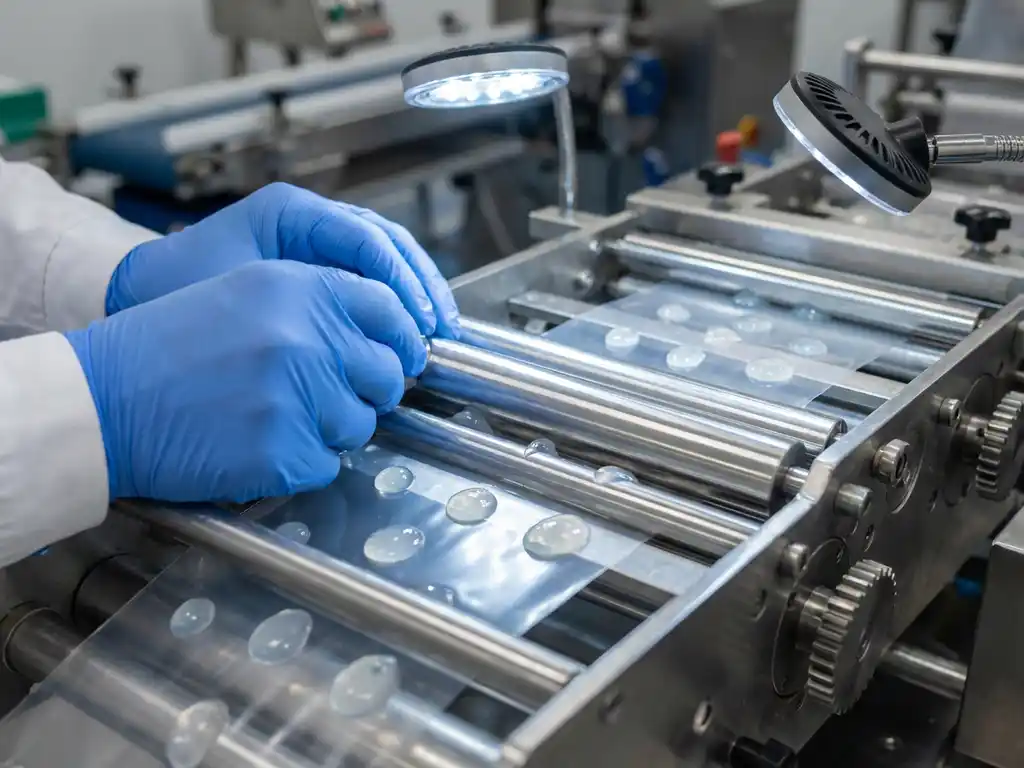
Alginate casing systems are used in sausage production to create a plant-based alternative to traditional casings. They are popular for their efficiency and sustainability, but they can present implementation challenges such as casing breakage and inconsistent gelation. Understanding these issues—and knowing how to prevent them—is crucial for successful operations. This guide addresses common failures and provides strategies to improve alginate casing system performance.
What are common failures in alginate casing systems?
Common failures in alginate casing sausage systems include casing breakage, inconsistent gelation, and equipment compatibility issues. Casing breakage can occur due to improper gelation or mechanical stress, while inconsistent gelation often results from variations in alginate formulation or process parameters. Equipment compatibility issues arise when machinery is not properly adjusted for alginate use, leading to operational inefficiencies and increased costs. Addressing these issues effectively can contribute to cost reduction in the food industry.
How can alginate casing system failures be prevented?
Preventing failures in alginate casing systems involves several strategies. Proper equipment calibration is essential to ensure machine settings align with alginate specifications. Implementing rigorous quality control measures during production helps maintain consistency in gelation and casing integrity. Selecting the right alginate formulation based on product requirements, such as viscosity and setting time, is also crucial for optimal performance and cost efficiency.
What role does equipment play in alginate casing success?
Equipment plays a significant role in the success of alginate casing systems. The right machinery ensures that alginate is applied evenly and consistently, preventing issues such as casing breakage. Regular maintenance and correct machine settings are vital to accommodate the specific requirements of alginate. Ensuring compatibility with existing production lines minimizes operational disruptions and improves efficiency, supporting cost-effective production.
Why is alginate formulation crucial for casing systems?
Choosing an appropriate alginate formulation is crucial to casing system performance. Factors such as viscosity and setting time directly affect casing quality and consistency. A well-formulated alginate can mimic the appearance, bite, and texture of natural or collagen casings, offering a seamless transition for producers looking to move away from traditional methods and reduce costs in the long run.
How can Vaess assist with alginate casing challenges?
Vaess offers comprehensive solutions to address common alginate casing challenges through product innovation and technical expertise. As a leader in alginate technology, we provide:
- Customized alginate formulations tailored to specific production needs
- Technical support to optimize equipment settings and improve production efficiency
- Access to our world-class alginate gel production facility for a consistent supply
- Expert guidance on integrating alginate systems into existing production lines, helping to reduce operational costs
Connect with us through our contact page to explore how we can support your transition to alginate casing systems, offering you a pathway to ‘food for tomorrow’.
Gerelateerde artikelen
- What logistics and cold chain requirements should alginate casing suppliers guarantee in their contracts?
- How do alginate and natural casings compare in terms of batch-to-batch consistency for industrial buyers?
- What quality control parameters should procurement set for incoming alginate batches?
- How does switching to alginate casings affect production line efficiency?
- How do alginate casings affect yield and waste reduction in sausage production?