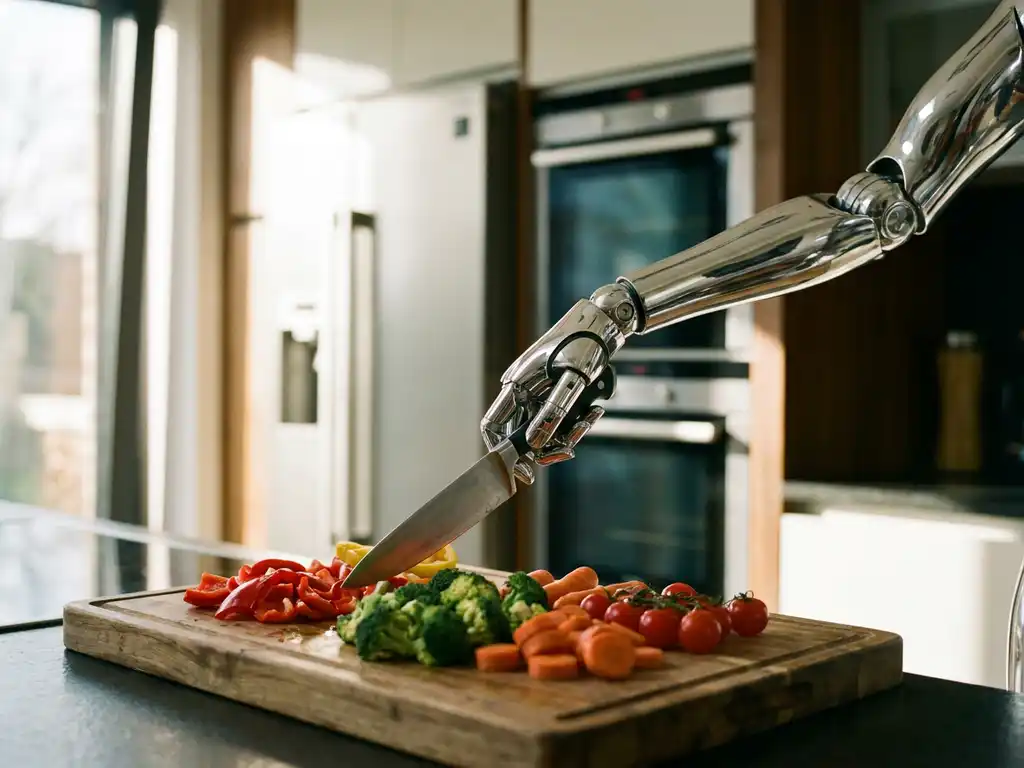
AI will not fully replace food technology this year or in the near future. While AI is transforming many aspects of food technology, its role is largely complementary, enhancing efficiency and innovation rather than replacing human expertise. In the evolving landscape of food engineering, AI serves as a powerful tool to support human decision-making and streamline processes. In this article, we’ll explore how AI is reshaping the food industry, its benefits, challenges, and potential future impacts. For more insights into the industries impacted by technological advancements, visit this page.
What is AI’s role in food technology?
AI in food technology primarily enhances operational efficiency and innovation by analyzing data and automating processes. It assists in product development, quality control, and supply chain management, allowing companies to create better products faster. AI’s role is not to replace, but to augment human expertise by providing valuable insights and optimizing complex operations.
The implementation of AI helps food engineers predict trends and consumer preferences, develop new recipes, and ensure consistent quality. By processing vast amounts of data, AI can identify patterns that might be overlooked by human analysts, thus opening new avenues for innovation in sectors ranging from plant-based products to hybrid foods. Learn more about the essence of innovation in food technology here.
How is AI transforming the food industry?
AI transforms the food industry by optimizing production processes, enhancing quality control, and personalizing consumer experiences. It employs algorithms to streamline manufacturing, reduce waste, and improve food safety. AI’s predictive analytics allow for precise demand forecasting, which helps with inventory management and reduces spoilage.
For companies like Vaess, AI fosters hybrid food technology innovations by integrating plant-based elements with traditional proteins, catering to diverse consumer needs. AI enables precise adjustments in texture, flavor, and nutritional content, ensuring that new products meet both consumer expectations and nutritional standards. Reach out to Vaess for more information via their contact page.
Can AI fully replace human roles in food technology?
AI cannot fully replace human roles in food technology, as human intuition, creativity, and expertise remain essential. While AI excels in data analysis and process automation, the development of unique food products still relies heavily on human insight and innovation.
Human expertise is crucial in understanding cultural nuances and consumer preferences, which are areas where AI falls short. In the food technology sector, humans and AI work symbiotically, with AI handling repetitive tasks and providing insights that allow food technologists to focus on creative and strategic aspects.
What are the benefits of using AI in food technology?
AI offers numerous benefits in food technology, including increased efficiency, improved quality control, and enhanced innovation. It reduces human error, speeds up production, and allows for the creation of complex, data-driven products that are tailored to consumer demands.
By leveraging AI, companies can achieve cost savings and operational efficiency, which are critical in maintaining competitiveness. AI-driven innovations, such as those developed by Vaess, enable the creation of hybrid foods that meet evolving market demands, ensuring that companies stay ahead in the dynamic food industry. For a deeper understanding of these innovations, explore our essence.
What challenges does AI face in the food technology sector?
AI faces challenges such as integration with existing systems, data privacy concerns, and the need for significant investments in infrastructure and training. Ensuring data quality and overcoming resistance to change within organizations are also significant hurdles.
Furthermore, the complexity of food products and the importance of sensory attributes like taste and texture mean that AI must be carefully tailored to specific applications. Companies must thoughtfully implement AI to complement human skills, rather than attempting to replace them entirely.
Is AI the future of food technology?
AI is poised to play a significant role in the future of food technology, driving innovation and efficiency. However, it will not replace human expertise but will continue to serve as a vital tool in enhancing the capabilities of food technologists.
The future of food technology lies in the synergy between AI and human creativity, with AI enabling more informed decision-making and streamlining processes. As companies like Vaess continue to explore hybrid food technology innovations, AI will remain an essential component in pushing the boundaries of what’s possible in food engineering. For more information, visit our contact page.
Gerelateerde artikelen
- How do you structure a supplier scorecard for alginate casing vendors in a food manufacturing context?
- How do you evaluate an alginate casing supplier's R&D capabilities for future product development?
- How do alginate casings help manufacturers respond to retailer sustainability mandates?
- What is the most eaten animal in the world?
- What competitive advantage does alginate casing technology offer over conventional casings?