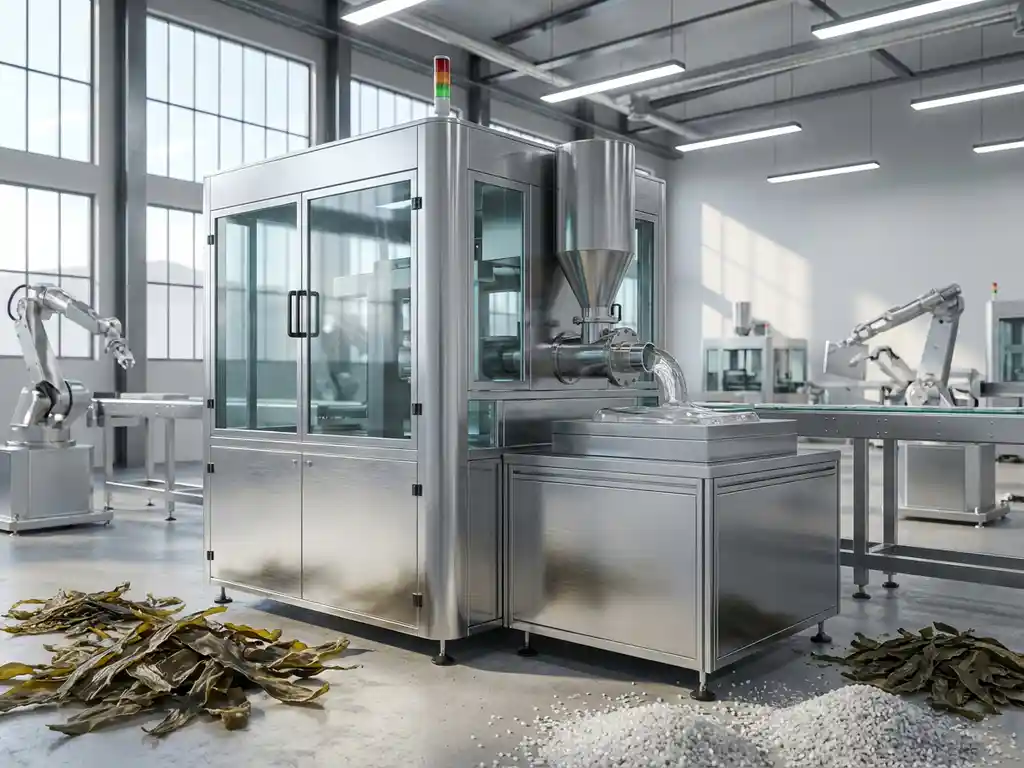
Alginate casing technology has been evolving rapidly, offering a sustainable and efficient alternative to traditional sausage casings. The next generation of alginate casing technology focuses on improving scalability and reducing costs, making it ideal for industrial applications. This article explores how these advancements benefit the food industry, the challenges of implementation, and how companies can transition smoothly to these new technologies.
What is the next generation of alginate casing technology?
The next generation of alginate casing technology is characterized by enhanced scalability and cost-effectiveness. This innovation enables high-speed, continuous co-extrusion lines that improve operational efficiency in industrial settings. By utilizing alginate—a seaweed-based material—producers can achieve a product that matches the appearance and texture of traditional casings while offering additional environmental benefits. This transformation is set to redefine how sausages and similar products are manufactured at scale.
How does alginate casing technology benefit the food industry?
Alginate casing technology offers several advantages to the food industry, including cost-effectiveness and operational efficiency. These casings are 100% plant-based, providing a sustainable alternative to traditional collagen or natural casings. Benefits include:
- Reduced reliance on labor due to automated processes
- Lower production costs through efficient material usage, contributing to cost reduction in the food industry
- Minimized waste, contributing to environmental sustainability
- Consistent product quality, enhancing consumer satisfaction
These factors make alginate casings an appealing choice for producers aiming to enhance their production capabilities while maintaining quality.
What are the challenges in implementing new alginate technologies?
While alginate casing technology offers many benefits, companies may face challenges when implementing these innovations. One major challenge is the initial investment in new machinery compatible with high-speed co-extrusion lines. Additionally, there may be a learning curve as staff adapt to new processes. Ensuring that the alginate material meets specific industry standards for different applications can also be a concern. Addressing these challenges requires strategic planning and investment in training and technology.
How can industries transition to next-generation alginate casings?
Companies can transition to next-generation alginate casings by carefully planning and integrating new technologies into their existing frameworks. Key steps include:
- Conducting a thorough cost-benefit analysis to justify initial investments
- Training staff to handle new machinery and processes efficiently
- Working with suppliers to ensure material quality and compatibility
- Gradually phasing in alginate casings to minimize disruptions
By following these steps, companies can smoothly adopt these innovations, ultimately benefiting from enhanced production capabilities and sustainability.
How Vaess helps with alginate casing
Vaess is at the forefront of alginate casing technology, providing comprehensive solutions to help companies leverage these innovations as part of their commitment to “food for tomorrow.” We offer:
- Expert guidance on integrating alginate technologies into existing operations
- Access to the world’s largest alginate gel production facility for a consistent supply
- Customized support for fresh, cooked, and dried sausage applications
- Training programs to ensure staff are proficient with new systems
For more information on how Vaess can assist your business in adopting alginate casing technology, visit our website or contact us today.
In conclusion, the next generation of alginate casing technology is poised to revolutionize the food industry by offering a sustainable, cost-effective alternative to traditional methods. As companies navigate the challenges of implementation, partnering with experts like Vaess can ensure a smooth transition and long-term success. Explore the possibilities that alginate casing technology can bring to your production processes, aligning with the vision of “food for tomorrow” and achieving cost reduction in the food industry.
Gerelateerde artikelen
- What traceability documentation is required for natural casings that alginate suppliers can more easily provide?
- What are the main nutritional differences between plant-based and animal-based proteins?
- How do alginate casings affect yield and waste reduction in sausage production?
- How does alginate casing technology support product differentiation in premium segments?
- What are the smoke permeability differences between alginate, collagen, and natural casings?