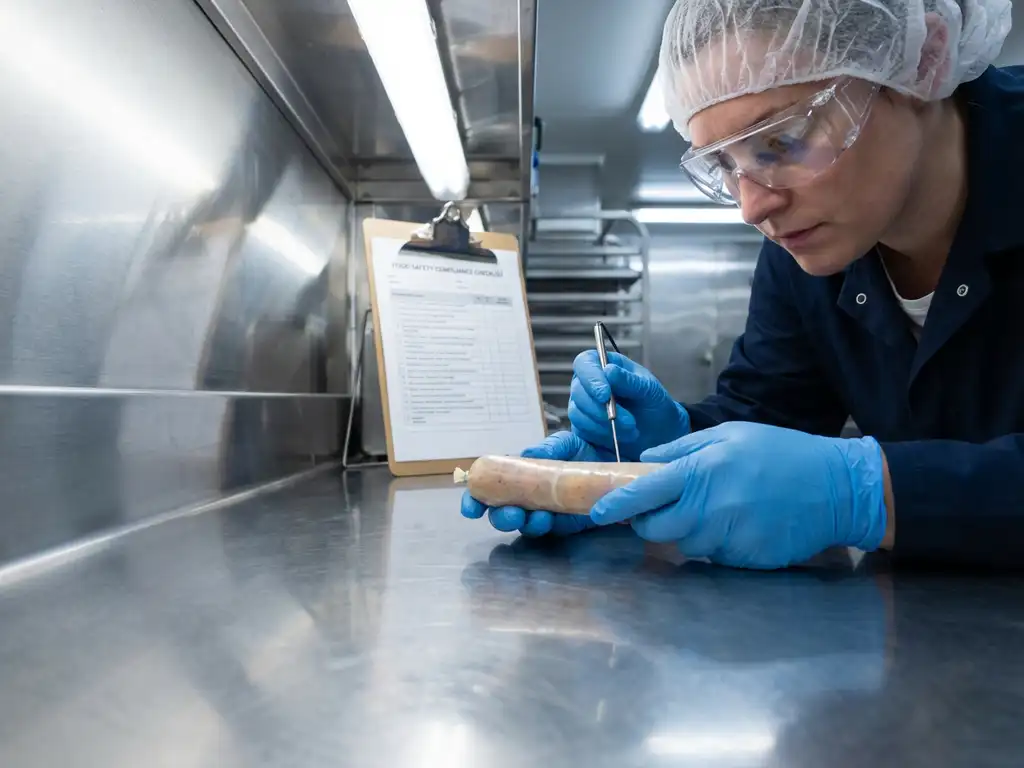
Alginate casings are a popular choice in EU food production due to their cost-effectiveness and sustainability. They offer a forward-thinking solution that aligns with industry trends. However, compliance risks can arise, particularly in relation to food safety regulations. Understanding these risks and how to mitigate them is crucial for manufacturers seeking to achieve cost reduction in the food industry. This article explores the key compliance risks associated with the use of alginate casings in the EU and offers strategies for reducing these risks effectively.
What are alginate casings?
Alginate casings are a type of sausage casing derived from seaweed, offering a plant-based alternative to traditional collagen casings. They are widely used in the food industry for their economic and operational benefits, including high-speed, continuous production capabilities. Alginate casings are especially valued for their ability to mimic the appearance and texture of natural casings, making them suitable for a wide range of applications, including fresh, cooked, and dried sausages across meat, plant-based, halal, and kosher categories.
What compliance risks are associated with alginate casings in the EU?
Using alginate casings in the EU food production sector comes with specific compliance risks. Key issues include ensuring that the alginate used meets food safety standards and that the casings do not contain prohibited additives or contaminants. Manufacturers must also be aware of labeling requirements to avoid misleading consumers. Failure to comply with these regulations can result in significant penalties and damage to brand reputation.
How do EU food safety regulations impact alginate casing usage?
EU food safety regulations, including guidance from the European Food Safety Authority (EFSA), directly affect the use of alginate casings by specifying permissible ingredients and manufacturing processes. These regulations require rigorous testing to confirm the safety of the alginate and its compliance with food contact materials standards. In addition, manufacturers must maintain thorough documentation and traceability to ensure compliance and facilitate audits.
What measures can companies take to mitigate compliance risks with alginate casings?
To reduce compliance risks and achieve cost reduction in the food industry, companies can adopt several strategies:
- Partner with trusted suppliers that adhere to EU food safety standards.
- Implement robust quality control systems to monitor production processes.
- Train staff on EU regulations and best practices for using alginate casings.
- Conduct regular audits to ensure ongoing compliance and address any issues promptly.
By taking these proactive steps, companies can minimize risks and ensure the safe use of alginate casings.
How Vaess helps with alginate casings
At Vaess, we support compliance for alginate casings through our innovative technologies and extensive expertise, embodying our slogan ‘food for tomorrow.’ Our alginate casing solutions are engineered to meet stringent EU regulations, ensuring safety and quality. We offer:
- Comprehensive training and support for seamless integration into production lines.
- State-of-the-art testing facilities to verify compliance with food safety standards.
- Ongoing collaboration with clients to address evolving compliance challenges.
To learn more about how Vaess can help you navigate compliance for alginate casings, contact us today.
Understanding and addressing the compliance risks associated with alginate casings is essential for manufacturers operating in the EU. By implementing robust strategies and partnering with experts like Vaess, companies can ensure their products meet the highest safety standards while maintaining consumer trust and operational efficiency, all while driving cost reduction in the food industry.
Gerelateerde artikelen
- What internal stakeholder alignment is needed before a sausage producer switches from natural to alginate casings?
- How do you evaluate an alginate casing supplier's R&D capabilities for future product development?
- Are plant-based burgers a healthier form of alternative protein than conventional beef or are they just highly processed?
- Why are legumes considered one of the most sustainable sources of alternative protein?
- How does alginate perform in plant-based and meat analog product development?