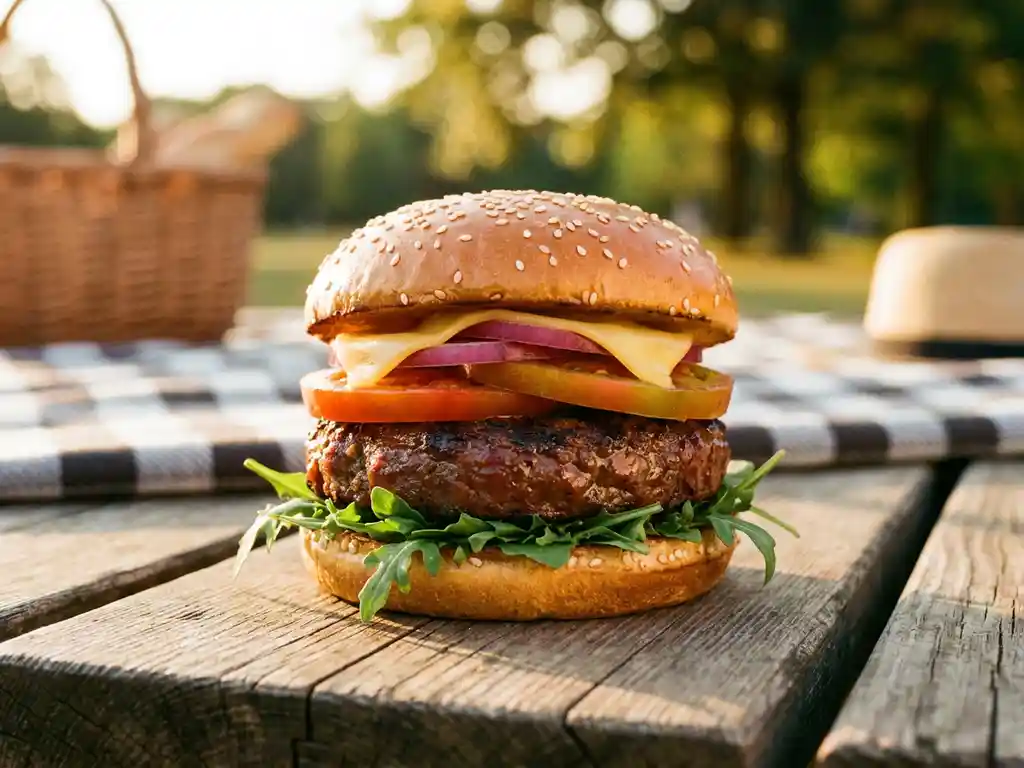
Hybrid meat is a type of food product that combines traditional animal meat with plant-based ingredients. This innovative approach aims to create a balanced product that retains the taste and texture of meat while being more sustainable and health-conscious. Hybrid meats appeal to consumers looking for environmentally friendly options without sacrificing their love for meat. To discover more about the industries we serve, visit our industries page.
By blending plant-based ingredients with traditional meat, hybrid meats offer a solution to some of the environmental and health challenges associated with meat production. As demand for sustainable food options increases, hybrid meats present a compelling choice for both consumers and producers. In this article, we explore the definition, production, benefits, and innovations in hybrid meats. Learn more about our core values and mission at Our Essence.
How is hybrid meat defined?
Hybrid meat is defined as a food product that combines traditional animal meat with plant-based components. This fusion aims to reduce meat consumption while maintaining desirable meat characteristics such as flavor and texture. Hybrid meat products are developed to cater to consumers seeking sustainable and healthier alternatives without completely giving up meat.
Hybrid meats are part of a growing trend in the food industry that addresses environmental concerns and dietary preferences. By incorporating plant-based elements, these products aim to reduce the carbon footprint of meat production. This approach also appeals to flexitarians — individuals who primarily eat a plant-based diet but occasionally consume meat.
How are hybrid meats made?
Hybrid meats are made by blending traditional animal proteins with plant-based ingredients like legumes, grains, or vegetables. This process involves selecting complementary ingredients that enhance the nutritional profile and replicate the sensory properties of meat. The goal is to create a product that is both palatable and nutritionally balanced.
The production of hybrid meats involves several stages, including ingredient selection, formulation, and processing. Manufacturers carefully choose plant-based ingredients that mimic the texture and flavor of meat. Advanced food technology techniques, such as extrusion and fermentation, are often employed to achieve the desired consistency and taste.
What are the benefits of hybrid meats?
Hybrid meats offer several benefits, including environmental sustainability, improved health profiles, and culinary versatility. These products help reduce the environmental impact of meat production by decreasing reliance on animal agriculture, which is a major contributor to greenhouse gas emissions.
- Environmental Impact: By reducing the amount of meat in each product, hybrid meats lower the carbon footprint associated with traditional meat production.
- Health Benefits: The inclusion of plant-based ingredients can enhance the nutritional value by adding fiber, vitamins, and minerals while reducing saturated fats.
- Culinary Diversity: Hybrid meats can be adapted for various cuisines, allowing chefs and home cooks to experiment with new flavors and textures.
How does Vaess contribute to hybrid meats innovation?
At Vaess, we are at the forefront of hybrid meats innovation, leveraging our expertise in food engineering to develop cutting-edge products. Our approach involves:
- Creating balanced products that combine plant-based and animal proteins.
- Utilizing our building block principle to perfect texture, taste, and mouthfeel.
- Exploring clean-label solutions to meet consumer demand for transparency.
Our commitment to innovation and sustainability drives us to constantly evolve and deliver solutions that align with current food trends. We invite you to explore our range of hybrid foods and join us in shaping the future of sustainable nutrition. Contact us to learn more about how our innovations can benefit your business.
Gerelateerde artikelen
- What technical support should an alginate casing supplier provide during initial line integration?
- What internal stakeholder alignment is needed before a sausage producer switches from natural to alginate casings?
- How are biotechnology and AI-driven formulation reshaping food technology R&D priorities?
- How do you optimize alginate bath concentration for consistent casing formation at speed?
- What certifications are required to market alginate-cased sausages as plant-based?