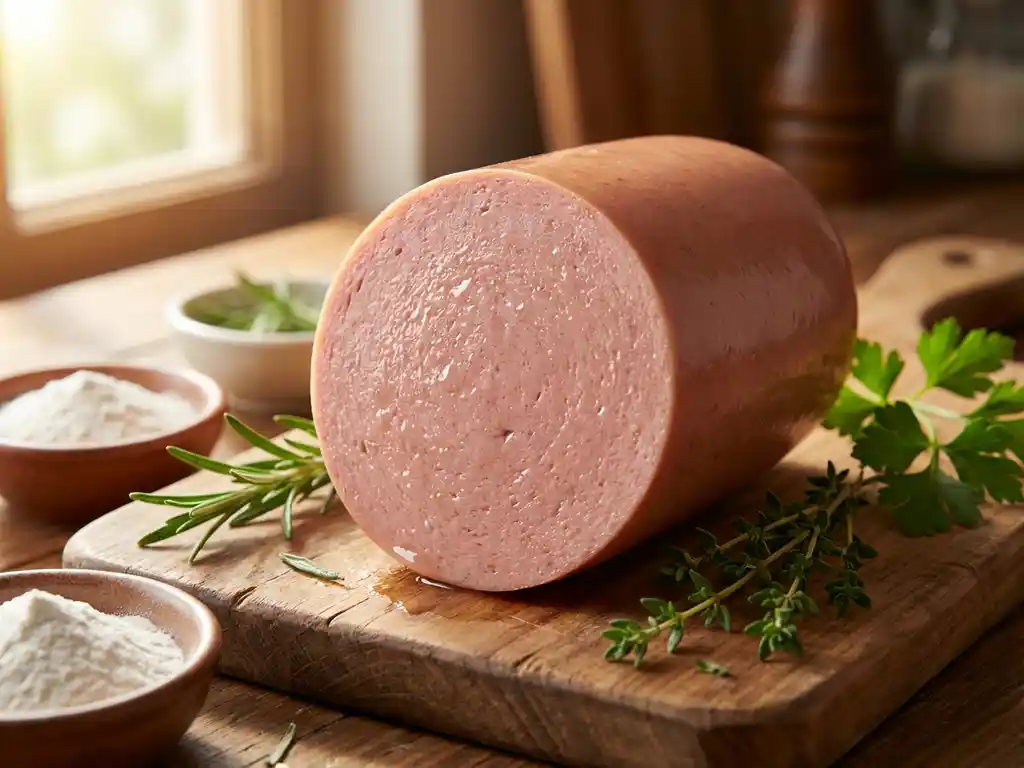
Alginate casing significantly enhances the texture of emulsified sausage products by providing a consistent, firm, and juicy mouthfeel. Derived from seaweed, alginate can replace traditional casings, offering a cost-effective and sustainable option. This article explores alginate’s role in sausage production, its impact on texture, and how food engineers can optimize sausage quality using this innovative technology. Read on to discover how alginate compares with other casing options and the benefits it offers, including cost reduction in the food industry.
What is alginate, and how is it used in sausage production?
Alginate is a natural polysaccharide extracted from brown seaweed, renowned for its gelling and thickening properties. In sausage production, alginate is used to form casings through a co-extrusion process, in which the sausage meat is encased in a stable gel layer. This method allows for precise control over sausage dimensions and texture, making it ideal for alginate casing sausage production. By modifying gel strength and composition, producers can tailor the texture to specific preferences, contributing to both quality and cost-efficiency.
How does alginate influence the texture of emulsified sausages?
Alginate enhances the texture of emulsified sausages by providing a firm yet elastic casing that retains moisture and improves overall mouthfeel. The alginate gel forms a barrier that helps preserve juiciness during cooking, resulting in a more succulent product. Additionally, the uniformity of alginate casings ensures consistent texture across batches, a crucial factor in maintaining product quality. This uniformity also helps achieve the desired bite and chewiness, which are crucial for consumer satisfaction.
What are the benefits of using alginate in sausage casings?
Using alginate casings offers several advantages over traditional collagen casing vs. alginate casing methods:
- Cost-effectiveness: Alginate casings reduce production costs through high-speed co-extrusion processes, supporting the theme of cost reduction.
- Consistency: Alginate provides uniform casing thickness and texture, enhancing product quality.
- Sustainability: Being plant-based, alginate is a more sustainable choice than animal-derived casings.
- Versatility: Suitable for meat, plant-based, halal, and kosher sausage applications.
The ability to customize casing properties allows producers to meet a range of market demands, making alginate a versatile and attractive option.
How can food engineers optimize sausage texture with alginate?
Food engineers can optimize sausage texture using alginate by adjusting the gel formulation to achieve the desired firmness and elasticity. Key considerations include:
- Selecting the right alginate type and concentration for specific texture profiles.
- Tuning the co-extrusion process parameters to ensure optimal casing formation.
- Conducting tests to refine the balance between juiciness and bite.
- Using alginate vs. natural casing insights to improve product differentiation.
Implementing these practices helps create sausages that meet both consumer expectations and production-efficiency goals, ultimately supporting cost reduction strategies.
Hoe Vaess helpt met alginate casing
Vaess leverages its expertise in alginate technology to provide comprehensive solutions for sausage processing. Our AgerGel range supports high-speed, continuous co-extrusion lines, ensuring efficient production and reduced waste, key components of cost reduction strategies. Benefits include:
- End-to-end support for fresh, cooked, and dried sausages.
- Expert guidance on optimizing alginate casing properties for various applications.
- Access to cutting-edge alginate gel production facilities.
Partner with us to enhance your sausage production and meet evolving market demands. Contact us to explore how we can support your innovation journey with “food for tomorrow” in mind.
Gerelateerde artikelen
- Are alternative proteins nutritionally complete enough to fully replace animal protein in your diet?
- How are food scientists improving plant-based proteins to contain all essential amino acids?
- What are the technical limits of alginate in high-fat or high-moisture sausage formulations?
- How do you evaluate alginate supplier reliability for large-scale food production?
- How does alginate sourcing align with EU Green Deal supply chain expectations?