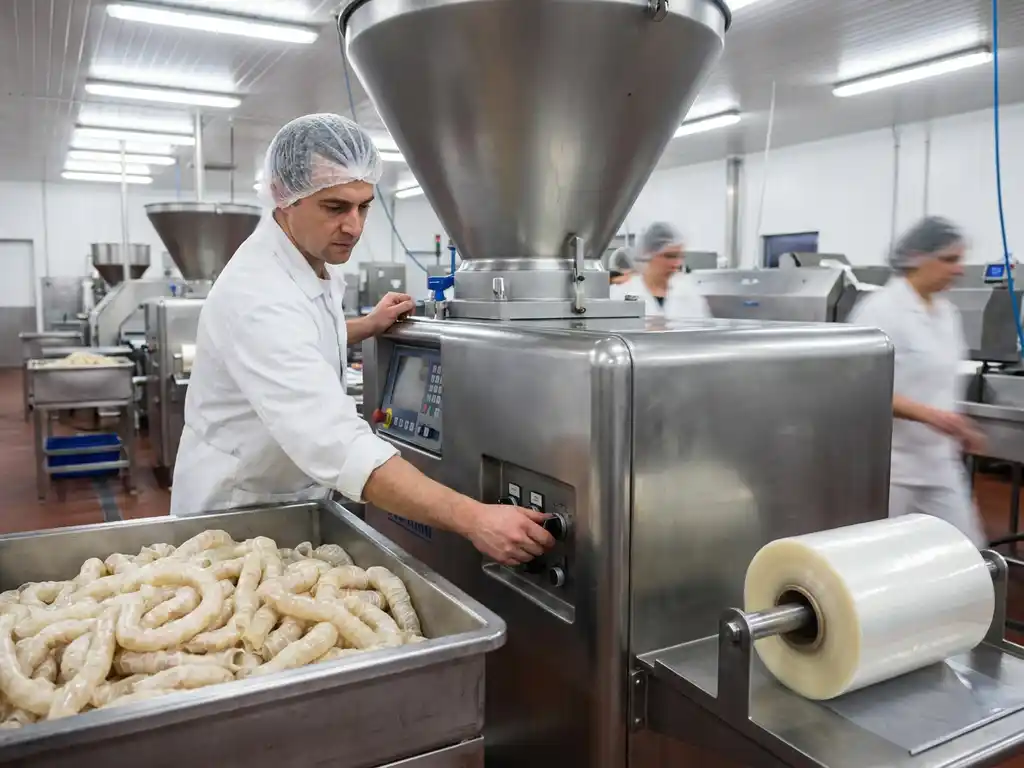
Switching from natural to alginate casings mid-contract involves a transition period during which manufacturers adapt to new materials and processes without disrupting production. This period requires strategic planning, training, and collaboration to maintain product quality and efficiency. Understanding the key factors involved helps manufacturers manage this transition smoothly and capitalize on the benefits of alginate casings.
What is the transition period in casing changeovers?
The transition period in casing changeovers refers to the time when a manufacturer shifts from using natural casings to alginate casings in sausage production. During this phase, adjustments are made to accommodate the different properties and handling requirements of alginate casings, ensuring consistency in product quality and output.
This period is critical, as it involves recalibrating machinery, training staff, and possibly tweaking recipes to maintain the desired texture and appearance. Manufacturers must also consider factors like supply chain adjustments and cost implications. Successfully navigating this transition can lead to improved efficiency and cost savings.
How do manufacturers manage casing transitions effectively?
Manufacturers manage casing transitions effectively by planning meticulously, investing in training, and leveraging technology. A detailed plan that outlines every step of the transition, from equipment adjustments to staff training, is essential for minimizing disruptions.
Key strategies include:
- Training: Educating staff on handling alginate casings ensures a smooth transition.
- Equipment Calibration: Adjusting machinery settings to optimize for alginate’s properties.
- Supplier Coordination: Working closely with suppliers to ensure timely delivery and quality of alginate casings.
- Testing and Quality Assurance: Conducting rigorous tests to ensure product quality remains consistent.
By focusing on these areas, manufacturers can streamline the transition process and minimize any negative impact on production.
What are the challenges of switching casings mid-contract?
Switching casings mid-contract presents challenges such as potential production downtime, the need for equipment adjustments, and staff training. These challenges can lead to temporary increases in operational costs and require careful management to avoid disrupting supply chains or affecting product quality.
Additional challenges include:
- Logistics Coordination: Aligning new casing supplies with production schedules.
- Quality Control: Maintaining consistent product standards during the transition.
- Cost Management: Balancing the initial investment in new materials and training with long-term savings.
Addressing these issues proactively helps manufacturers successfully transition to alginate casings without compromising contractual obligations.
How does alginate casing improve production efficiency?
Alginate casings improve production efficiency by enabling higher-speed processing, reducing labor dependency, and minimizing waste. Their consistency and ease of use allow for streamlined operations, leading to increased throughput and cost savings.
Benefits of using alginate casings include:
- High-Speed Processing: Designed for continuous co-extrusion lines, alginate casings facilitate faster production.
- Labor Savings: Simplified handling reduces the need for skilled labor.
- Waste Reduction: The uniform nature of alginate casings leads to less material waste compared to natural casings.
These efficiencies contribute to improved profitability and competitiveness in the market.
Why choose alginate casings over natural ones?
Choosing alginate casings over natural ones offers advantages such as cost-effectiveness, scalability, and sustainability. Alginate casings, derived from seaweed, provide a plant-based alternative that meets diverse consumer demands, including vegetarian and halal requirements.
Key reasons for choosing alginate casings include:
- Cost-Effectiveness: Lower material and operational costs.
- Scalability: Easy integration into existing production lines allows for scaling up production.
- Sustainability: Environmentally friendly and aligns with consumer preferences for sustainable products.
These factors make alginate casings an attractive option for manufacturers looking to innovate and meet modern market demands.
How Vaess helps with transitioning to alginate casings
At Vaess, we provide comprehensive support to manufacturers transitioning to alginate casings. Our expertise ensures a seamless shift with minimal disruption. Here’s how we assist:
- Technical Support: Our experts offer guidance on equipment calibration and process optimization.
- Training Programs: Customized training sessions equip staff with the necessary skills to handle alginate casings effectively.
- Innovation Centers: Access to our Food Technology Centers for testing and co-extrusion trials.
- Supply Chain Management: Reliable alginate casing supply through our advanced production facilities.
Contact us at Vaess to learn more about how we can help you integrate alginate casings into your production line and enhance your operational efficiency.
Veelgestelde vragen
What are alginate casings made from?
Alginate casings are made from alginate, a natural polymer derived from seaweed. This plant-based material is processed to create casings that are used in food production, particularly for sausages. Alginate provides a sustainable and vegetarian-friendly alternative to traditional casings.
How long does the transition to alginate casings typically take?
The transition period can vary depending on the scale of production and the existing systems in place. Generally, it can take several weeks to a few months to fully switch to alginate casings, allowing time for equipment recalibration, staff training, and process optimization.
Are there any regulatory considerations when switching to alginate casings?
Yes, manufacturers must ensure that alginate casings comply with food safety regulations in their region. This may involve verifying that the casings meet specific standards for food-grade materials and ensuring proper labeling if the product is marketed as vegetarian or halal.
Can alginate casings be used for all types of sausages?
Alginate casings are suitable for a wide range of sausages, particularly those produced through co-extrusion processes. However, it’s essential to assess the specific requirements of different sausage types to ensure compatibility and maintain desired product characteristics.
What are the cost implications of switching to alginate casings?
While there may be initial costs associated with equipment adjustments and staff training, alginate casings often lead to long-term savings. Their cost-effectiveness comes from reduced material waste, lower operational costs, and improved production efficiency, making them a financially viable option for many manufacturers.
How does alginate casing impact the texture and flavor of sausages?
Alginate casings can be formulated to maintain the desired texture and flavor of sausages. While they may differ slightly from natural casings, adjustments during the transition phase ensure that the final product meets consumer expectations. Manufacturers often conduct taste tests to refine the product.
What support is available for manufacturers new to alginate casings?
Manufacturers can seek support from suppliers like Vaess, who offer comprehensive services including technical guidance, training programs, and access to innovation centers. This support helps ensure a smooth transition with minimal disruption to existing production processes.
Gerelateerde artikelen
- What traceability documentation is required for natural casings that alginate suppliers can more easily provide?
- How do alginate and natural casings compare in terms of batch-to-batch consistency for industrial buyers?
- What equipment upgrades are required to implement alginate co-extrusion in existing plants?
- How does alginate support texture consistency across different protein sources?
- How does switching to alginate casings support corporate sustainability targets?