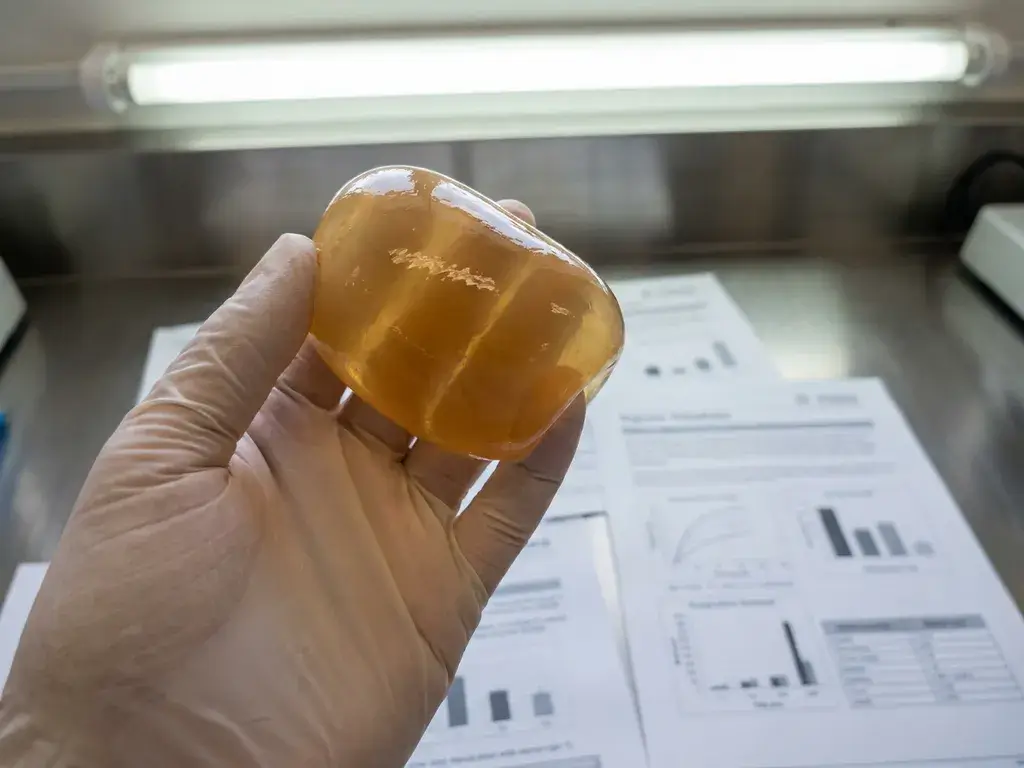
Alginate casings significantly influence product specification sheets and technical datasheets by providing detailed information tailored to retail buyers. These casings, derived from seaweed, offer a plant-based alternative to traditional casings. They are essential for ensuring that products meet consumer demands for sustainability and quality. Understanding their impact helps optimize food production, improve product consistency, and enhance marketability. This article delves into various aspects of alginate casings, exploring their benefits and how they transform product documentation for retail buyers.
What are alginate casings and why do they matter for product specifications?
Alginate casings are plant-based casings derived from seaweed and used in sausage production. They matter for product specifications because they provide a sustainable and efficient alternative to traditional animal-based casings. Alginate casings are valued for their ability to maintain product quality while supporting high-speed production processes, thus meeting the increasing consumer demand for environmentally friendly products.
These casings are essential for ensuring consistent product quality and are often highlighted in product specifications to emphasize their eco-friendly nature. The use of alginate casings allows producers to cater to a growing market segment that prioritizes sustainability without compromising on product texture and flavor. Additionally, their compatibility with various dietary needs, such as vegan and halal, makes them a versatile choice for diverse consumer bases.
How do alginate casings impact the quality of food products?
Alginate casings positively impact the quality of food products by enhancing texture, appearance, and production efficiency. They provide a uniform gel layer that maintains the product’s shape and consistency during cooking and storage. This ensures that each product is visually appealing and meets consumer expectations for texture and taste.
The use of alginate casings also reduces production costs by minimizing waste and improving yield. These casings allow for precise control over portion sizes and product dimensions, leading to greater product consistency. Moreover, because they are plant-based, alginate casings align with current trends toward healthier and more sustainable food production, ultimately improving the overall quality and marketability of the products.
What information should be included in technical datasheets for alginate casings?
Technical datasheets for alginate casings should include detailed information about the composition, application process, and benefits of the casings. Essential elements include:
- Composition details: Ingredients and allergen information.
- Application guidelines: Instructions for use in different production settings.
- Performance metrics: Data on strength, elasticity, and temperature tolerance.
- Storage and handling: Recommendations for optimal storage conditions.
Providing comprehensive information in technical datasheets ensures that retail buyers understand the advantages of using alginate casings and how they can be integrated into various production environments. Clear and concise datasheets help with decision-making processes, ensuring that buyers are equipped with all necessary details to evaluate the suitability of alginate casings for their specific needs.
Why are alginate casings preferred over traditional options for retail products?
Alginate casings are preferred over traditional options for retail products due to their sustainability, versatility, and cost-effectiveness. Unlike natural casings, alginate casings are plant-based, catering to the growing demand for vegan and environmentally friendly products. They also offer consistent quality, making them ideal for high-volume production environments.
These casings are easy to work with and reduce dependency on natural resources, thus lowering production costs. Alginate casings also provide flexibility in product design and are adaptable to various dietary requirements, including halal and kosher, expanding their appeal across different markets. Their ability to support efficient, large-scale production while maintaining product quality and consumer satisfaction makes them a favored choice in the retail sector.
How does Vaess help with integrating alginate casings into product specifications?
At Vaess, we assist in integrating alginate casings into product specifications by offering comprehensive support and innovative solutions. Our services include:
- Expert consultation: Guidance on selecting the right alginate casing for your needs.
- Customized solutions: Tailored alginate products to suit specific production requirements.
- Technical support: Assistance with application processes and equipment integration.
- Innovation sessions: Collaboration opportunities to explore new product possibilities.
We invite you to explore our offerings and discover how Vaess can enhance your food production processes with our leading alginate technology. Contact us today for more information and begin transforming your product specifications to meet modern demands.
Veelgestelde vragen
How do alginate casings contribute to sustainability in food production?
Alginate casings contribute to sustainability by being plant-based, which reduces the reliance on animal-derived materials. This aligns with eco-friendly practices and helps lower the carbon footprint associated with food production.
Can alginate casings be used for all types of sausages?
Alginate casings are versatile and can be used for a wide range of sausage types, including vegan and halal varieties. However, it’s essential to ensure that the casing’s properties match the specific requirements of the sausage being produced.
What are the storage recommendations for alginate casings?
Alginate casings should be stored in a cool, dry place away from direct sunlight. Proper storage conditions are crucial to maintaining their integrity and performance during application.
How do alginate casings compare cost-wise to traditional casings?
Alginate casings are generally more cost-effective than traditional animal-based casings due to their plant-based nature and the efficiencies they bring to production, such as reduced waste and improved yield.
Are there any specific equipment requirements for using alginate casings?
While alginate casings can be integrated into existing production lines, some adjustments or specific equipment may be needed to optimize their application. Consulting with a supplier like Vaess can help identify any necessary equipment modifications.
What are the potential challenges in using alginate casings?
Potential challenges include ensuring compatibility with the existing production process and achieving the desired product texture and appearance. These can often be addressed with proper technical support and application guidance.
How do alginate casings impact the nutritional profile of sausages?
Alginate casings have minimal impact on the nutritional profile of sausages as they primarily serve as a protective layer. They do not add significant calories or nutrients, making them an excellent choice for health-conscious consumers.
Gerelateerde artikelen
- How do you evaluate an alginate casing supplier's R&D capabilities for future product development?
- What logistics and cold chain requirements should alginate casing suppliers guarantee in their contracts?
- What are hybrid meats?
- How does alginate co-extrusion affect line downtime compared to traditional casing systems?
- How do alginate casings perform in frozen product lines?