Alginate, a seaweed-derived compound, plays a crucial role in maintaining consistent texture across various protein sources. This natural ingredient interacts with proteins to provide a uniform texture, making it a preferred choice in food engineering. In this article, we will explore how alginate supports texture consistency, how it interacts with different protein sources, and the benefits it offers in food production. We’ll also highlight why alginate is favored over other texture enhancers and how Vaess enhances its alginate casing technology with a focus on cost reduction in the food industry.
What is alginate, and how does it support texture consistency?
Alginate is a naturally occurring polysaccharide extracted from brown seaweed and is widely used in the food industry for its thickening and gelling properties. It supports texture consistency by forming a gel when combined with calcium ions, which helps stabilize and maintain the texture of food products. Alginate’s ability to create a smooth, even texture makes it ideal for products like sausages, where texture uniformity is paramount.
Its interaction with proteins helps ensure that texture remains consistent across different batches and types of protein sources, reducing variability and enhancing product quality. This consistency is particularly important in alginate casing sausage production, where uniform texture significantly impacts consumer satisfaction and contributes to cost-efficiency.
How does alginate work with different protein sources?
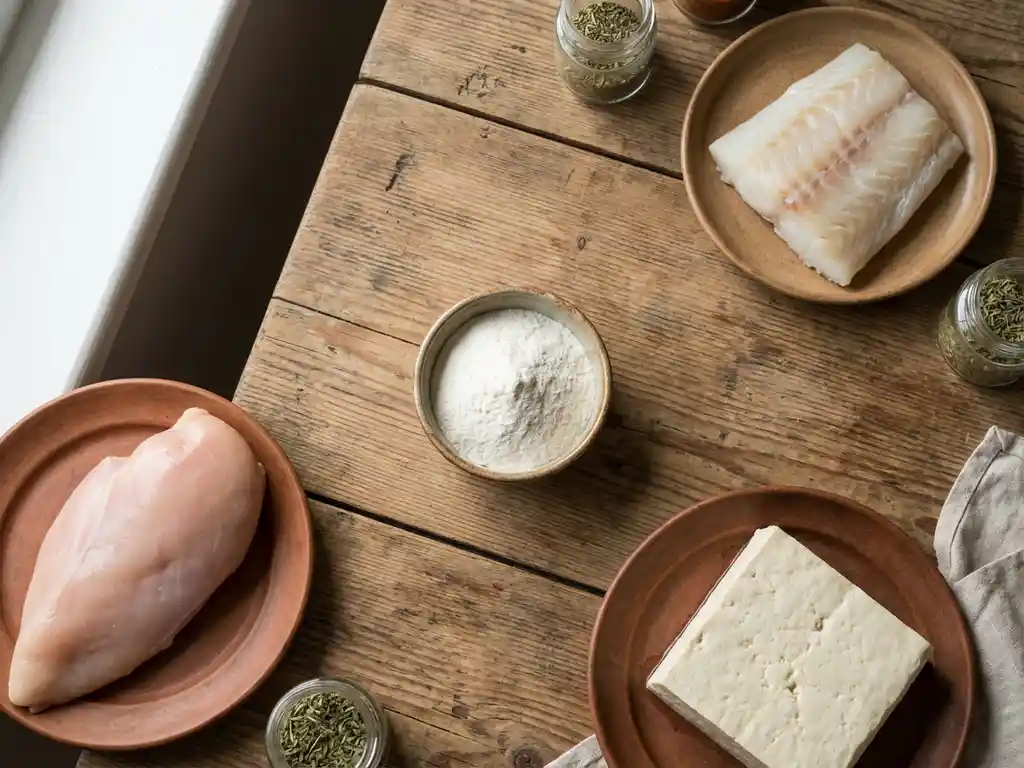
Alginate is versatile and adapts well to various protein sources, including meat, fish, and plant-based proteins. When used in meat products, it helps bind meat particles together, ensuring a consistent texture without relying on traditional fillers. In fish products, alginate enhances moisture retention, improving texture and mouthfeel. In plant-based proteins, it acts as a stabilizer, enabling the creation of products that mimic the texture of meat.
This adaptability makes alginate a valuable tool for creating a wide range of products, from traditional sausages to innovative plant-based alternatives, all while maintaining the desired texture consistency and reducing production costs.
What are the benefits of using alginate in food production?
The use of alginate in food production offers several benefits. It enhances texture, making products more appealing to consumers. Alginate also improves product stability, preventing separation or texture degradation over time. Additionally, it can reduce production costs by minimizing the need for expensive fillers and binding agents.
Alginate’s natural origin and cost-effectiveness make it a commercially viable option for food producers, helping them create high-quality products that meet consumer expectations without compromising profitability.
How does Vaess enhance alginate casing technology?
As a leader in alginate technology, Vaess has significantly advanced alginate casing solutions. Our innovations include:
- Development of the world’s largest alginate gel production facility, ensuring consistent supply and quality
- Integration of alginate into high-speed, continuous co-extrusion lines, improving efficiency
- Expertise in diverse applications, including fresh, cooked, and dried sausages
- Support for halal and kosher product production
These advancements allow us to offer comprehensive solutions that enhance productivity and reduce costs, making alginate casing an attractive option for producers worldwide. For more details, feel free to contact us.
Why choose alginate over other texture enhancers?
Choosing alginate over other texture enhancers, such as collagen or natural casings, comes with several advantages. Alginate’s natural origin ensures it aligns with consumer preferences for clean-label products. It is also highly effective at creating consistent textures across various applications, outperforming alternatives like collagen casing in many cases.
Moreover, alginate is cost-effective, reducing reliance on animal-derived ingredients and offering a sustainable option for producers. Its versatility and adaptability make it a preferred choice in the food engineering industry, providing solutions that meet modern consumer demands and production challenges.
How Vaess helps with alginate casing
Vaess provides cutting-edge alginate casing technology that addresses the need for texture consistency across different protein sources. Our solutions are designed to:
- Enhance product quality with uniform texture and appearance
- Increase production efficiency and reduce costs
- Support diverse applications, including plant-based and traditional meat products
- Ensure sustainability with 100% plant-based ingredients
By partnering with us, producers can leverage our expertise to innovate and stay ahead in the competitive food industry. Discover more about our solutions at Vaess. Together, we can create ‘food for tomorrow’ that meets consumer demands while maintaining profitability and sustainability.
Gerelateerde artikelen
- How do food safety auditors assess natural versus alginate casing sourcing in supplier evaluations?
- How do alginate casings reduce dependency on geographically concentrated natural casing supply chains?
- How do procurement managers calculate the true cost difference between alginate and natural casings at volume?
- What logistics and cold chain requirements should alginate casing suppliers guarantee in their contracts?
- How do alginate casing suppliers handle quality complaints and non-conformance in delivered batches?