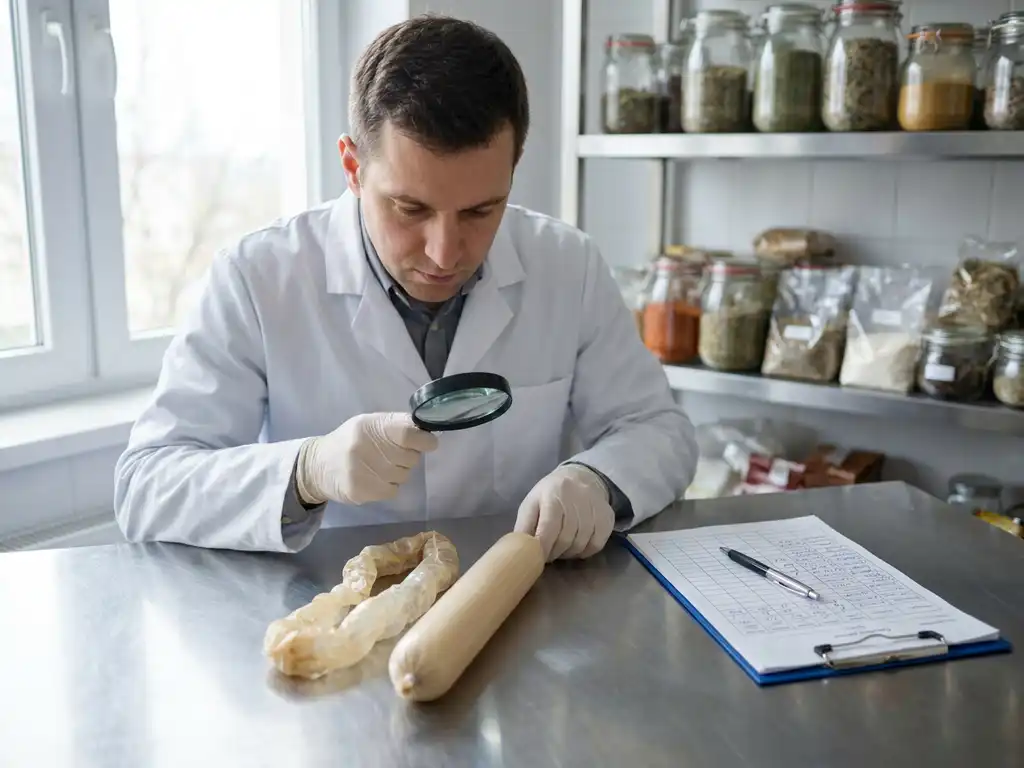
Food safety auditors assess natural versus alginate casing sourcing by examining compliance with regulatory standards, quality control processes, and sustainability practices. Suppliers must demonstrate transparency and consistency in their production methods to meet safety and quality benchmarks. This evaluation is critical for ensuring product safety and meeting consumer expectations. In this article, we’ll explore the specific criteria auditors use to evaluate casing sources and how these assessments impact supplier selection.
What do food safety auditors assess in casing sourcing?
Food safety auditors evaluate casing sourcing by examining the supplier’s compliance with safety regulations, quality standards, and traceability systems. They ensure that the casings meet all necessary health and safety guidelines required for food production. The process involves reviewing documentation, inspecting facilities, and verifying that suppliers maintain robust quality control systems.
Auditors pay attention to:
- Regulatory compliance: Ensuring the supplier adheres to local and international food safety laws.
- Quality assurance: Checking the effectiveness of quality control measures in place.
- Traceability: Verifying the ability to trace the product’s origin and handling history.
How is natural casing sourcing evaluated?
Natural casing sourcing is evaluated through the inspection of the supplier’s handling and processing practices, their adherence to animal welfare standards, and their ability to maintain consistent quality. Auditors focus on ensuring that the casings are free from contamination and that the production process is ethical and sustainable.
Key evaluation areas include:
- Animal welfare: Ensuring humane treatment and ethical sourcing.
- Hygiene practices: Inspecting facilities for cleanliness and proper handling procedures.
- Quality consistency: Assessing the uniformity of casings in terms of size, strength, and appearance.
What is the importance of alginate casing in supplier evaluations?
Alginate casing is important in supplier evaluations due to its sustainability, cost-effectiveness, and versatility in sausage production. Auditors assess the alginate casing’s ability to meet quality standards while offering an environmentally friendly and efficient alternative to natural casings.
The advantages of alginate casings include:
- Sustainability: Made from seaweed, it’s a renewable and biodegradable option.
- Cost efficiency: Reduces production costs by eliminating the need for animal-derived products.
- Versatility: Suitable for a wide range of applications, including meat and plant-based products.
How do food safety auditors compare natural and alginate casings?
Food safety auditors compare natural and alginate casings by evaluating their respective safety, quality, and sustainability attributes. Natural casings are assessed for their traditional appeal and natural properties, while alginate casings are evaluated for their innovation and efficiency in production.
The comparison involves:
- Safety and hygiene: Assessing both casing types for contamination risks.
- Quality attributes: Comparing texture, appearance, and consistency.
- Sustainability: Evaluating the environmental impact of each casing option.
How does Vaess help with casing evaluations?
At Vaess, we support casing evaluations by offering comprehensive solutions tailored to meet the highest standards in casing sourcing. Our expertise in alginate technology provides numerous advantages for your production processes.
- Advanced technology: Our AgerGel range offers a plant-based alternative that ensures safety and quality.
- Expert support: We provide guidance and testing facilities to help you integrate alginate casings seamlessly.
- Innovation leadership: Our commitment to cutting-edge solutions helps you stay ahead in the food engineering sector.
To discover how our solutions can enhance your production efficiency and sustainability, explore our services today.
Veelgestelde vragen
What are the main differences between natural and alginate casings?
Natural casings are derived from animal intestines, offering traditional texture and flavor, while alginate casings are made from seaweed, providing a sustainable, cost-effective alternative with versatile applications.
Why is traceability important in casing sourcing?
Traceability ensures that every step of the casing production process can be tracked and verified, enhancing food safety, meeting regulatory requirements, and allowing for quick response in case of a safety issue.
How do sustainability practices impact casing sourcing decisions?
Sustainability practices are crucial as they align with consumer demand for environmentally friendly products. They also ensure long-term viability by reducing environmental impact and adhering to evolving regulatory standards.
What role does technology play in casing evaluations?
Technology aids in improving quality control, enhancing traceability, and developing innovative alternatives like alginate casings, thus supporting more efficient and safer production processes.
Can alginate casings be used for both meat and plant-based products?
Yes, alginate casings are versatile and can be used in a wide range of applications, including both meat and plant-based products, due to their adaptable texture and reliable performance.
What are the common challenges in maintaining quality consistency in natural casings?
Quality consistency challenges in natural casings include variations in size, strength, and appearance due to natural differences in animal-derived materials, requiring stringent quality control measures.
How do auditors ensure compliance with animal welfare standards in natural casing sourcing?
Auditors ensure compliance by inspecting the supplier’s handling practices, reviewing welfare certifications, and assessing adherence to ethical sourcing guidelines to confirm humane treatment of animals.
Gerelateerde artikelen
- What financial stability indicators should food manufacturers assess when qualifying an alginate casing supplier?
- How does the environmental impact of insect protein compare to traditional meat production?
- To what extent will cellular agriculture and novel proteins redefine global supply chain infrastructure?
- What are the common implementation failures with alginate casing systems and how to prevent them?
- How do alginate casings perform in frozen product lines?