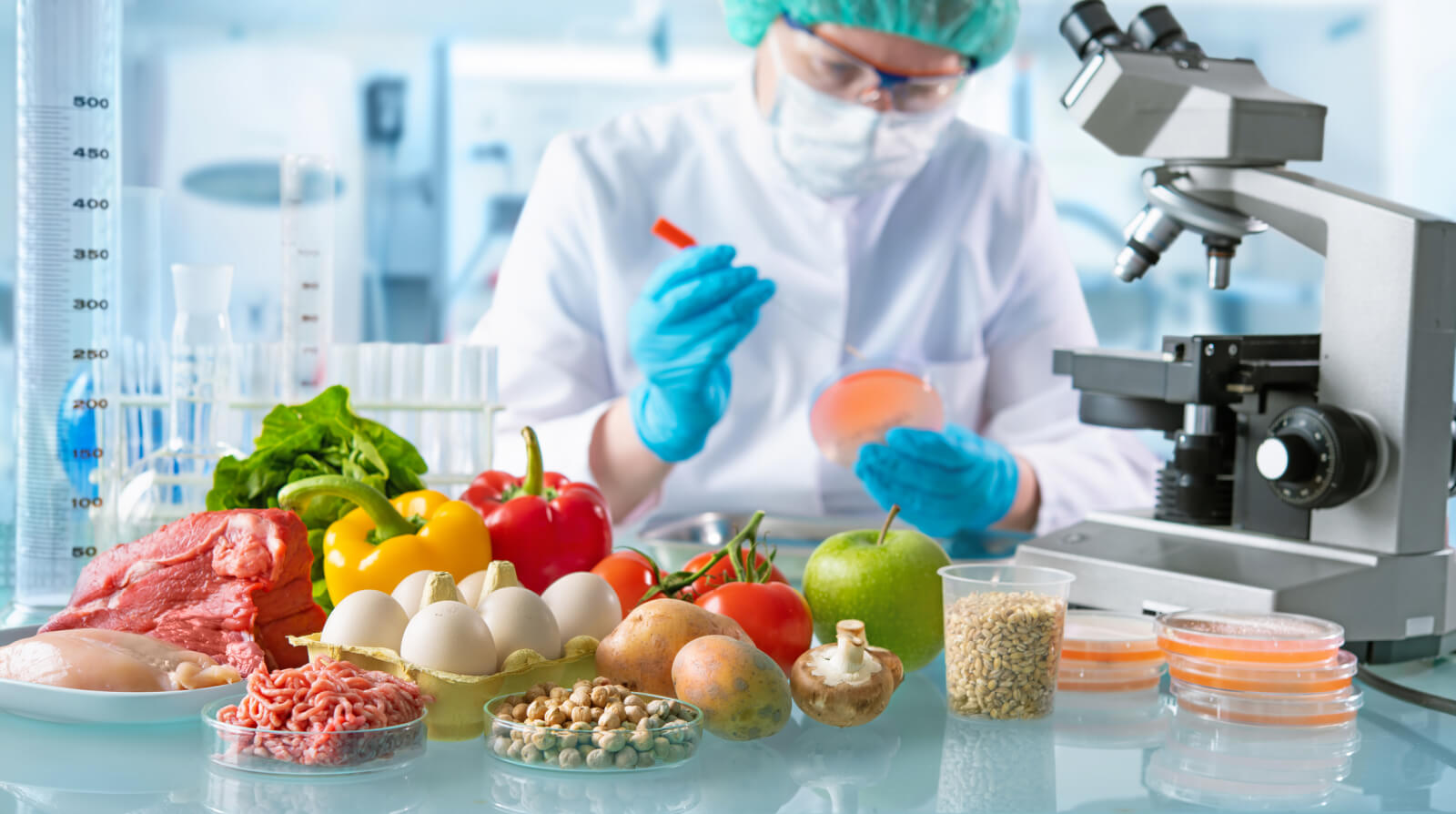
Food is becoming simpler. Or at least, that is what we aim for.
Consumers ask for clarity, for shorter labels, for fewer ingredients, for a level of transparency that allows them to understand what they are looking at without needing further explanation. At the same time, expectations continue to expand. Products are expected to be healthier, more affordable, more sustainable, and to perform consistently under real-world conditions. Each of these ambitions makes sense on its own. Taken together, they introduce a different kind of complexity. Because what appears as simplification on the surface rarely means that things have become simpler underneath.
The reduction of food and what it leaves out
The way we explain food has gradually shifted towards reduction. Into single variables, clear distinctions, and simplified narratives that make decisions feel manageable. Good versus bad. Natural versus processed. Less versus more. This creates a sense of orientation. It allows for quick judgement and clear communication. But it also leaves something out. Food products are not the result of one variable. They are shaped by the interaction between many, nutrition, functionality, affordability, safety, perception, each influencing the others, sometimes reinforcing, sometimes constraining, and often doing both at the same time. Understanding food, then, is not primarily about isolating variables, but about recognising how they behave together. And that is where most of the real questions emerge.

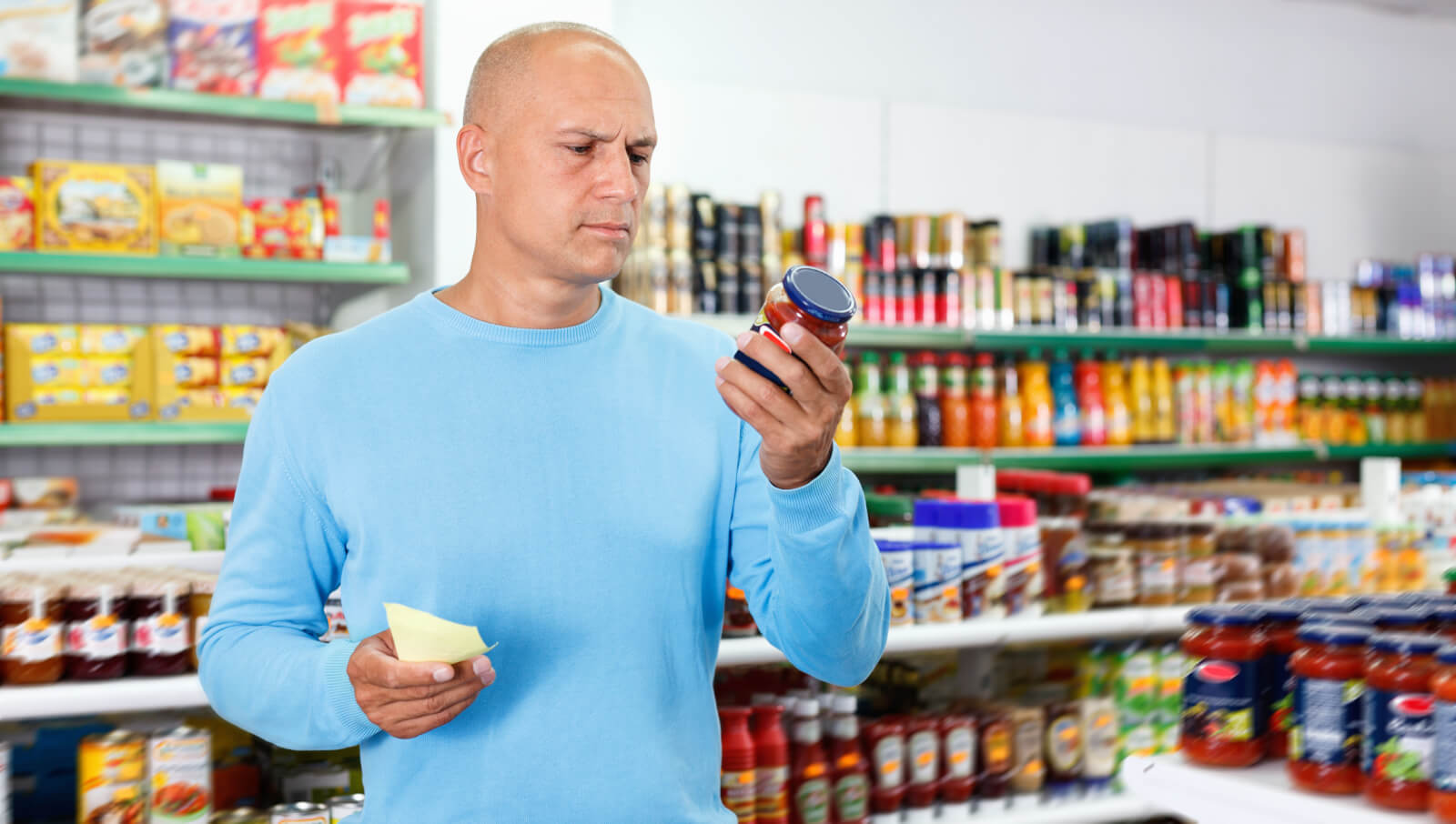
Buyer deciding about purchases in a big store
Improvement is never isolated
The food industry is constantly improving. Less of one thing, more of another, better scores, cleaner labels, more favourable outcomes. Much of this work is valuable. It leads to measurable progress. But no improvement remains contained within its own objective. A change in formulation does not stay where it was introduced. It moves through the product, affecting texture, stability, shelf life, processing behaviour and, ultimately, perception. Sometimes subtly, sometimes in ways that only become visible later. In that sense, every improvement becomes part of a network of consequences. Not as an unintended side effect, but as a natural property of how food products are structured.
What appears simple requires coordination
The idea of “engineering” is not always comfortable in the context of food. It can suggest intervention, or distance from what is considered natural. At the same time, the expectations placed on food products continue to grow. Safety, stability and accessibility do not emerge spontaneously. They require coordination. A careful alignment of ingredients, processes and conditions that allows a product to perform reliably across situations. Engineering, in that sense, is not about adding complexity. It is about understanding how complexity behaves and how it can be shaped into something that works. What appears simple is often the result of that effort.
More information, more visible trade-offs

The amount of information available to the food industry has never been greater. Reports, datasets, predictive models and scenario analyses all offer different ways of looking at what is changing. And yet, decision-making has not necessarily become easier. Because information does not resolve tension. It makes it more visible. Health exists alongside affordability, sustainability alongside availability, functionality alongside perception. Each perspective captures part of the reality, but products are never partial. They are always the result of choices across the whole. Which means that interpretation becomes as important as information itself.
When products fail, the cause is rarely singular
Food products do not fail because of a single decision. They fail when the relationship between decisions is not fully understood. A product is never simply healthier, or more sustainable, or more affordable. It is always a balance between these dimensions, one that must hold under real-world conditions, across production, distribution and consumption. When that balance breaks down, the issue is rarely found in a single variable. It lies in how variables interact.
What this means for you
This complexity is not a limitation, it is where better decisions start. By moving beyond isolated variables and understanding how factors connect, it becomes possible to develop products that perform more consistently in practice. We help you make that shift. By bringing structure to the trade-offs you face in R&D, formulation and product development, we enable you to see how decisions influence each other and how to steer them more effectively.
Towards a system view on food
In Rethinking Ultra-Processed Foods, we step back from reductionist thinking and explore food as a system: how variables connect, how they reinforce or counteract each other, and how this shapes real-world product performance. This system perspective does not add complexity, it makes it manageable. It helps you make better-informed decisions and build products with greater balance and predictability.
For those involved in R&D, formulation and product development, there comes a point where single-variable thinking no longer provides sufficient direction. This is where a system view becomes relevant.
Request your copy of Rethinking Ultra-Processed Foods and receive it directly in your inbox. Discover how to develop products with greater coherence, control and real-world performance.