In today’s food industry, margin is under pressure. Not because of one factor, but because of how the system behaves. Yield loss, unstable formulations, supply chain variability and cost pressure are often treated as separate issues.
In practice, they are not.
Margin is not something that can be optimised at the end.It is the outcome of how well a product is designed to perform within the system. This changes how improvement works. Not by fixing isolated issues, but by understanding how formulation, functionality and process interact. Because that is where performance is defined and where margin either holds, or disappears in production.
Poultry
Yield in poultry is not lost. It is the result of how water, structure and formulation behave over time. Drip loss, variability and inconsistency are not separate issues. They are system outcomes. Every percentage point lost in yield is directly reflected in margin. Which shifts the question.
Not how to recover yield at the end, but how to design it into the system from the start.
Yield in poultry is not lost. It is designed.
.
Hybrid
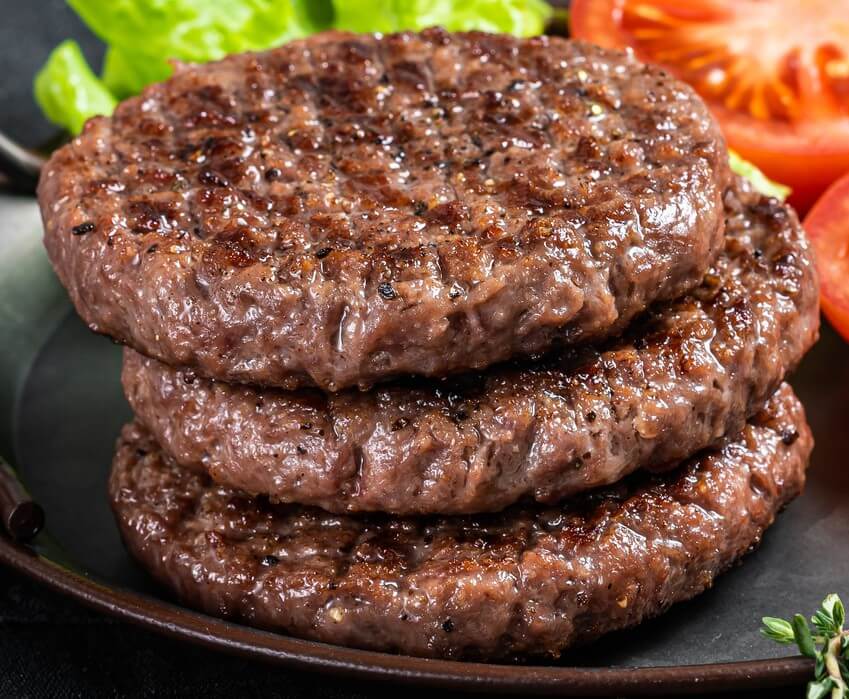
Hybrid starts with meat reduction. But only works when the system holds. Texture, fat behaviour, water binding and processing all interact.
If one element fails, the product does not perform as intended.
Hybrid is not an ingredient swap. It is a redesign of how the product behaves. A way to balance meat reduction, functionality and performance within one system, enabling cost-effective formulations that hold up in production.
When that balance holds, products remain stable in production. When it doesn’t, variability and loss appear downstream.
When the system holds, it creates space to improve nutritional value, refine formulation and strengthen product quality.
Margin gains when product design stands firm.
Alginate
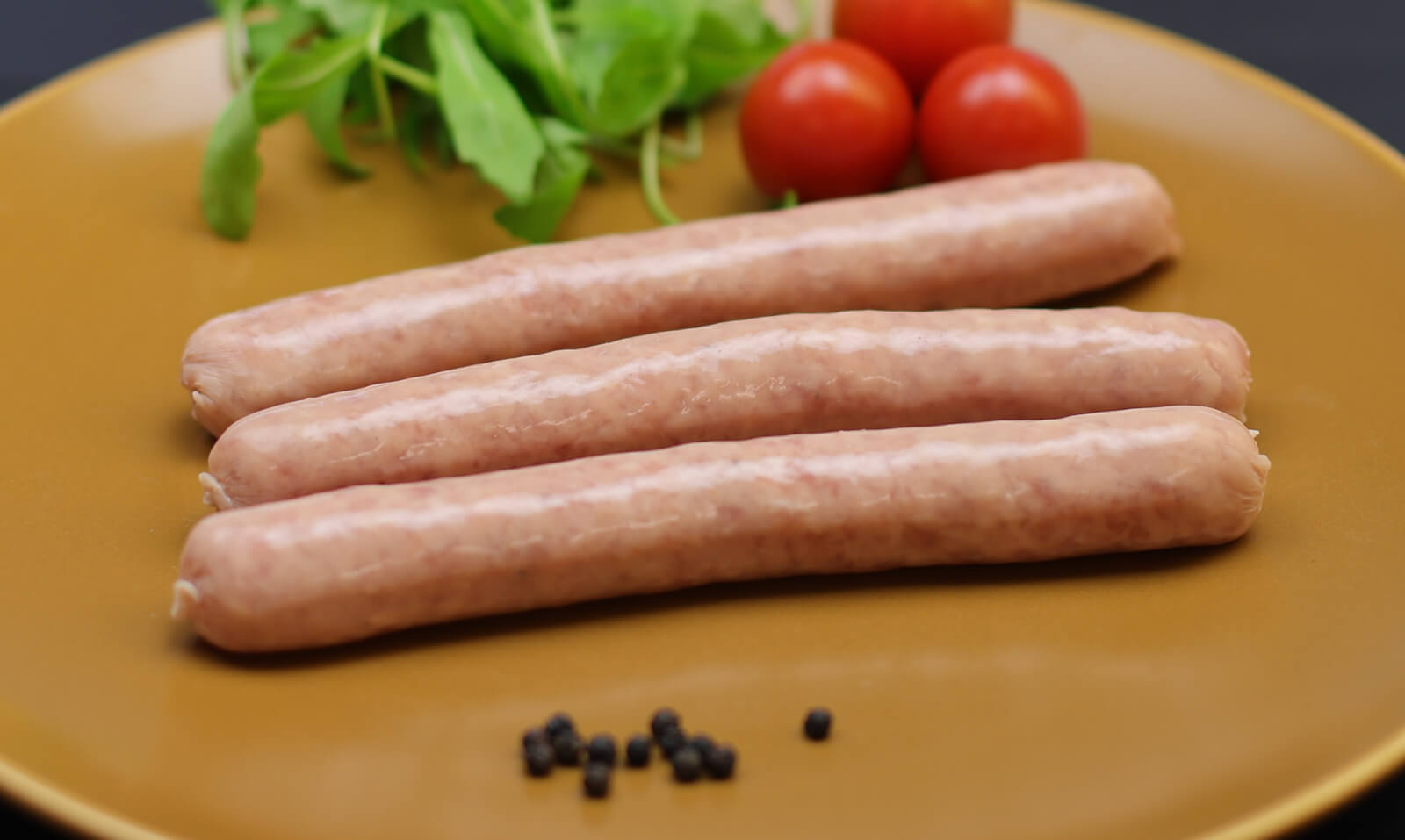
Casing does not just define the product. It defines the process. Speed, consistency, throughput and scalability all depend on how the casing performs. Not separately, but as part of one system.
If casing disrupts stability or output, the problem does not stay at the surface. It moves into the process which changes the question. Not what casing costs but how it performs in production, at scale and over time. When casing is designed for control and consistency, it stabilises the process where it matters most, creating significant operational and recipe cost advantages. That stability creates space. By enabling more efficient processing and consistent output, it allows improvement in product quality, formulation and performance.
That is where performance protects margin.
Every product is a balance of trade-offs
Improving one dimension always affects another.
– Reducing additives can impact stability and shelf life
– Improving nutrition can affect cost and texture
– Simplifying labels can introduce variability in production

These are not problems to eliminate. They are decisions to manage. The question is not what to optimize. But how to design a system that holds under real conditions.
At the intersection of formulation, functionality and process. We help translate system behaviour into solutions that hold up in production at scale and over time. Not by removing complexity, but by making the right trade-offs and creating the space to improve what matters in the product itself.