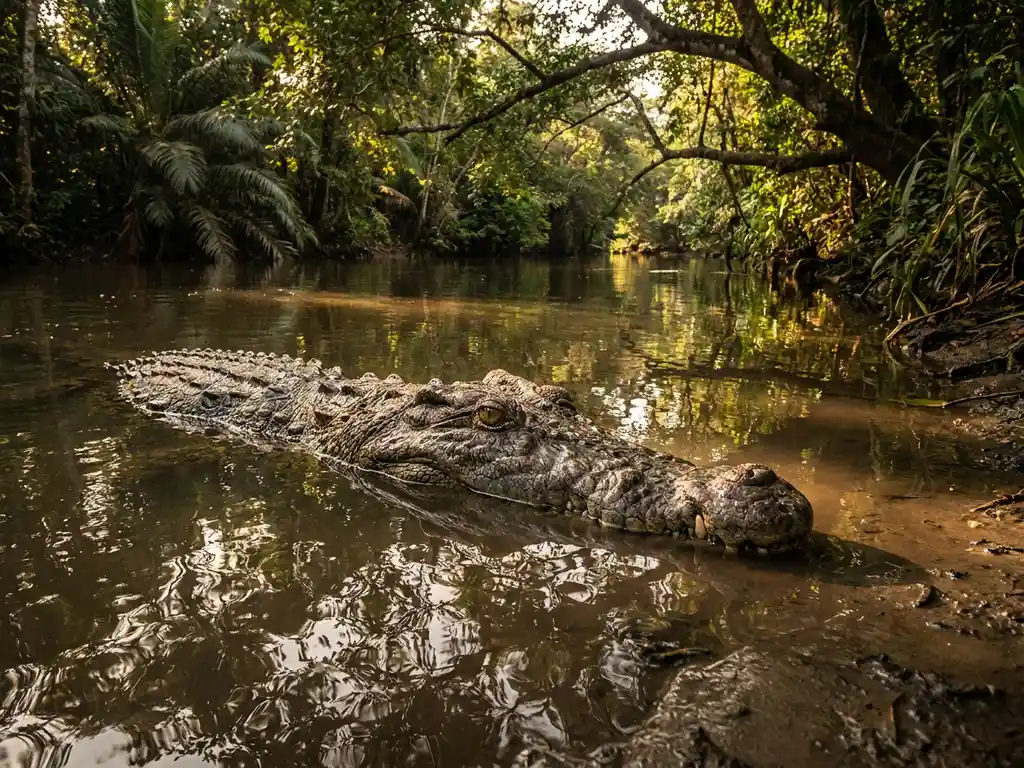
Humans are most often attacked by large carnivores such as crocodiles, lions, and tigers. These attacks typically occur when humans encroach on their habitats or when the animals feel threatened. While attacks are rare, they remind us of the power and unpredictability of wildlife. Understanding the reasons behind such attacks can help mitigate risks. This article delves into the reasons why animals attack and how to stay safe. For more information on the various industries we serve, visit our industries page.
What animals are most likely to attack humans?
The animals most likely to attack humans include crocodiles, lions, tigers, and sharks. These predators are powerful and sometimes view humans as prey or threats. Crocodiles are particularly dangerous in regions like Africa and Australia, where they often inhabit rivers and lakes.
Lions and tigers, found primarily in Africa and Asia, may attack when humans venture too close to their territories or if they feel threatened. Sharks, though less frequent attackers, can pose a danger to swimmers and divers in certain coastal areas.
Being aware of these animals’ habitats and respecting wildlife boundaries are crucial steps toward preventing such encounters. Learn more about our commitment to creating safer environments by visiting Our Essence.
Why do some animals attack humans?
Animals typically attack humans for three main reasons: defense, predation, or fear. Defensive attacks occur when animals feel threatened by human presence. Predatory attacks are rare but can happen when large carnivores mistake humans for prey. Fear-induced attacks occur when animals panic in human-inhabited areas.
In many cases, humans unintentionally provoke these attacks by entering animal territories or displaying threatening behavior. Understanding animal behavior and maintaining a safe distance can help reduce these risks.
How can you stay safe from animal attacks?
Staying safe from animal attacks involves awareness, preparation, and respect for wildlife. Here are some key strategies:
- Research and understand the wildlife in your area or places you plan to visit.
- Maintain a safe distance from wild animals and avoid direct eye contact, which may be perceived as a threat.
- Travel in groups, as animals are less likely to attack larger numbers of people.
- Make noise while hiking to alert wildlife to your presence.
- Secure food and trash to avoid attracting animals to your campsite.
By following these guidelines, you can significantly minimize the risk of an encounter leading to an attack. If you have questions or need assistance, feel free to contact us.
What should you do if you’re attacked by an animal?
If attacked by an animal, the response depends on the type of animal. Here’s a general guide:
- For large predators like lions or tigers: Stand your ground, make yourself appear larger, and make loud noises to intimidate the animal.
- For bears: Play dead if attacked by a grizzly, but fight back against a black bear.
- For sharks: Try to remain calm, maintain eye contact, and gently push away the shark’s snout or gills.
- For crocodiles: Fight back aggressively, targeting the eyes and nostrils.
In all cases, seeking medical attention immediately after an attack is crucial to address injuries and prevent infections.
How does X help prevent animal attacks?
At Vaess, we contribute to preventing animal attacks by developing innovative food engineering solutions that reduce human-wildlife conflict. Our approach includes:
- Creating alternative food sources to decrease reliance on hunting and encroachment into wildlife habitats.
- Developing hybrid meat products that blend plant-based and traditional proteins, reducing the need for livestock expansion into wild areas.
- Promoting sustainable practices that preserve natural habitats.
Our commitment to innovation and sustainability helps create safer environments for both humans and animals. Contact us today to learn more about our food innovation solutions and how they can benefit your operations.
Gerelateerde artikelen
- What is the no. 1 healthiest food in the world?
- What is the total cost of ownership of alginate casings vs. collagen casings at scale?
- What are the common implementation failures with alginate casing systems and how to prevent them?
- How does alginate influence moisture retention and cook loss in heat-treated products?
- What innovation roadmap are alginate suppliers offering to food manufacturers?